
All eyes on stage design
“In today’s music scene, people don’t come only to listen. They come to experience something collective, emotional, almost cinematic.”
Words by Amy Peacock
We attend concerts, raves and festivals primarily for the music, but clever and artful uses of stage design can make the experience truly memorable. Artists and DJs are no longer relying solely on their audio talents to lure an audience's attention – whether through exaggerated spectacle or stripping back to the basics, they are using visual design to make a statement and ensure our eyes are on them.
More than a simple platform on which the artist performs, well-crafted stage design can paint a story, adding depth and deeper meaning to a show. It encompasses the design of the stage itself, lighting, video screens, and the design and arrangement of props and other equipment – all of these elements need careful consideration, as visual stimulation keeps us engaged and eager to see what comes next.
Today, it's not enough for music to speak for itself. We need our other senses to be stimulated to form an emotional connection with what we are listening to. Some might consider this a symptom of our social media-obsessed society and years of being conditioned to look out for the perfect video to capture.
But so much of what we enjoy is experienced through multiple senses – we appreciate our favourite food because of its taste and smell, we love wearing our favourite clothes because of their look and feel. Good design can heighten the experience of listening to our favourite music, marrying sight and sound to make us feel more immersed in the performance.
Using design to unite the crowd
With a pared-back stage, a few props and intricate lighting, New Zealand pop star Lorde created an intimate environment at her Ultrasound arena tour, sharing a sense of vulnerability with the attending crowds. The stage became a near-blank canvas on which to expose herself and explore femininity, gender and the body – just as her latest album, Virgin, does. Creating a feeling of intimacy in a 20,000-capacity venue like London's O2 Arena or New York City's Madison Square Garden, as Lorde did, is no mean feat, and careful design choices achieved this.
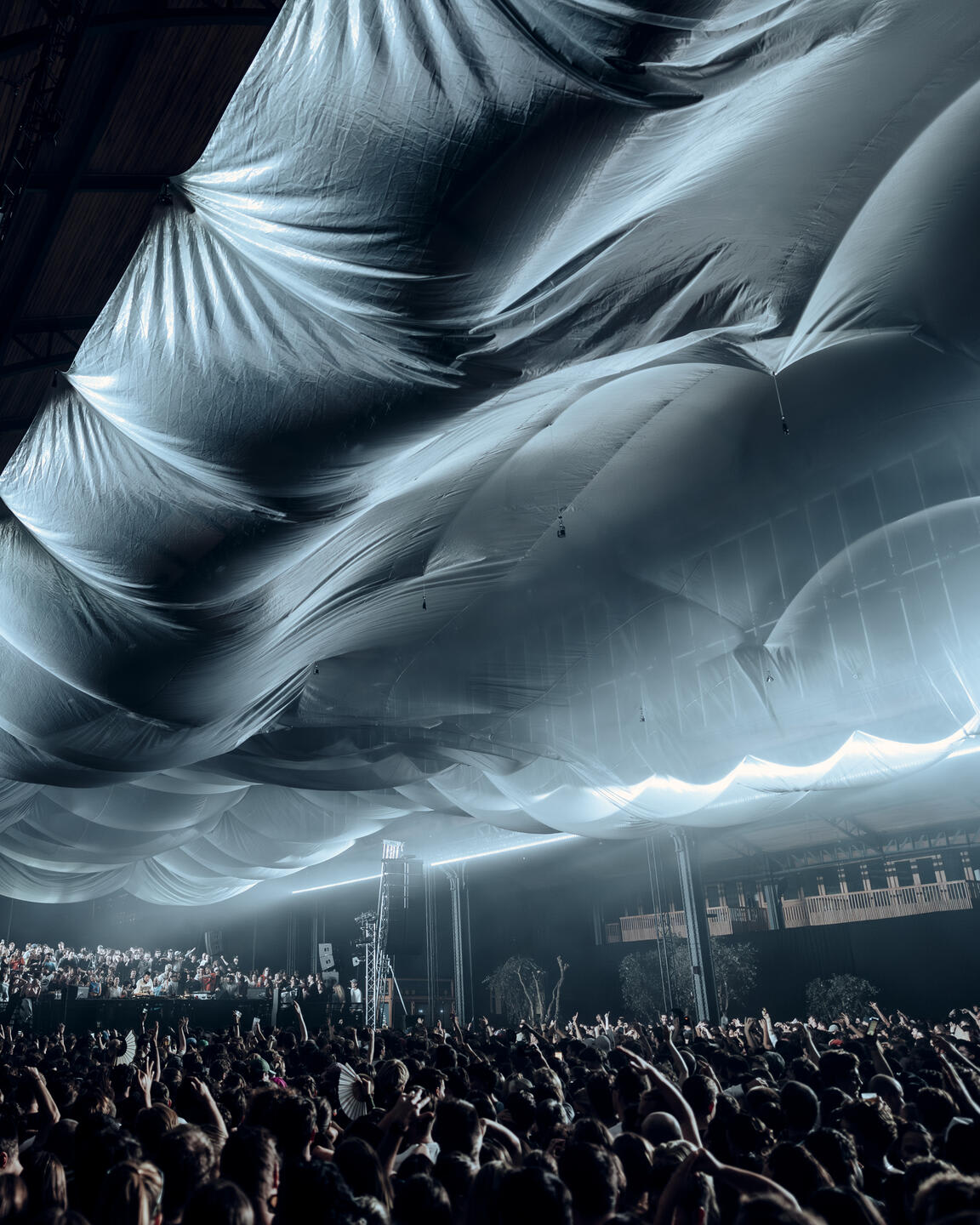
DJs and producers are also experimenting with ways of using design to create a sense of intimacy at their shows. Designer Boris Acket created a 70-metre-long fabric installation for Fred Again, which was hung from the ceilings of warehouses during his tour. It literally united the crowd under one roof, giving everyone the same experience no matter how far from the stage they were. Fred Again's creative director, Lucy Hickling, revealed the team wanted to create "a real feeling of intimacy in otherwise huge and cold warehouses."
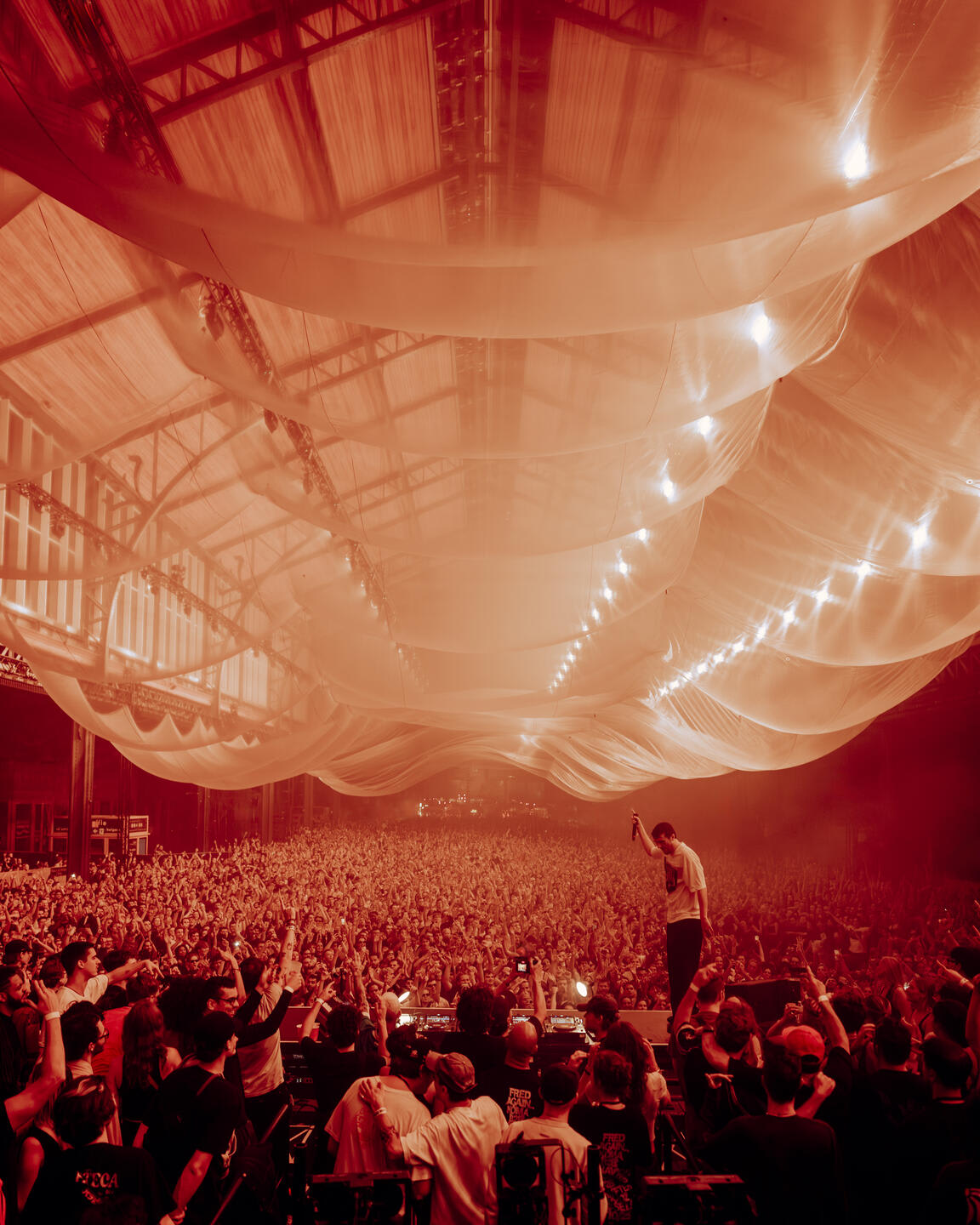
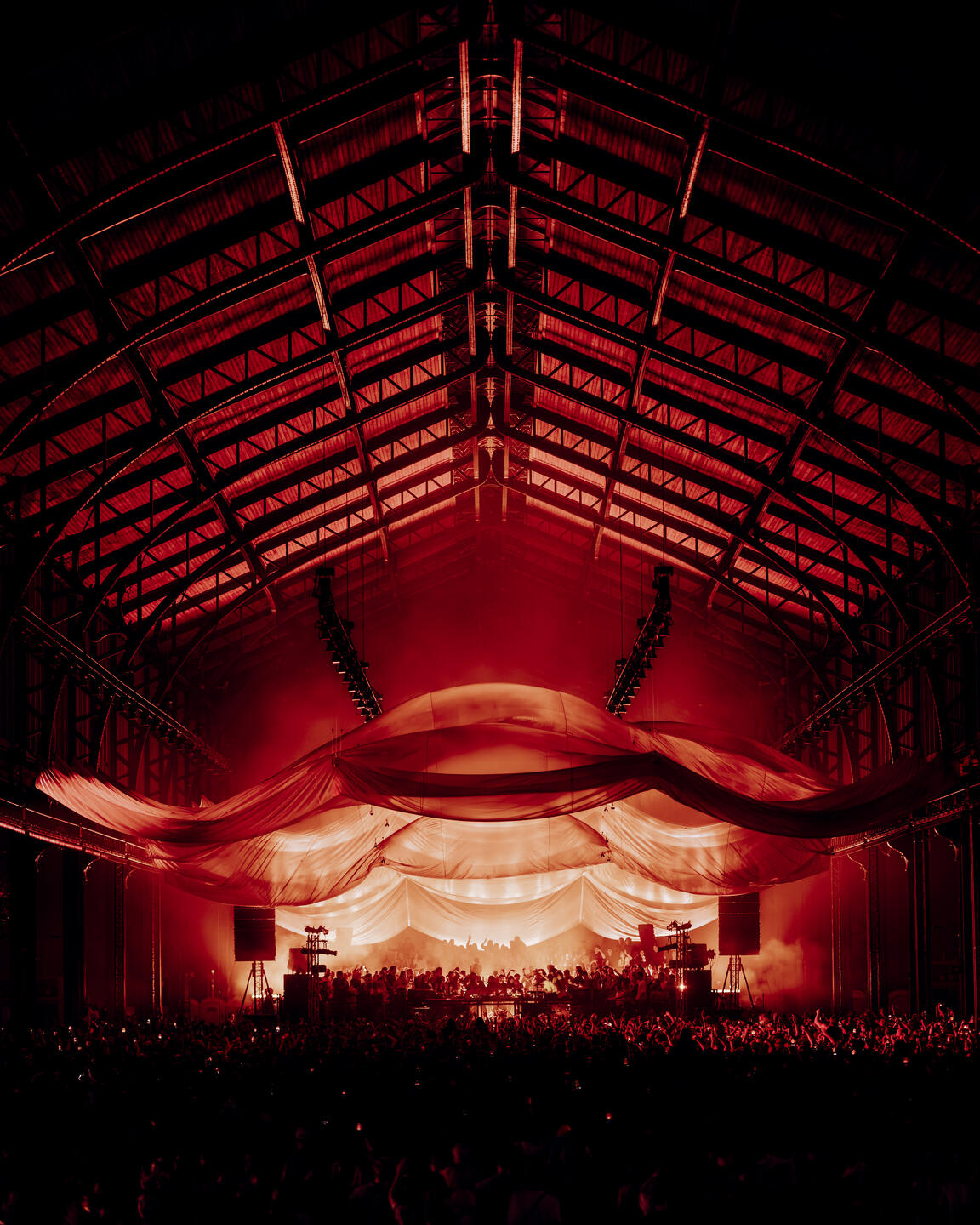
"We wanted to make sure that everybody at these shows felt as present as possible," said Hickling. "The fabric moves like a big breathing whale in the water and is ever-present throughout the show."
Simple yet effective, Acket's tactile installation transformed the industrial settings without relying solely on lighting and LED screens. Illuminated by different coloured lighting throughout the show, the installation billowed and waved in an ethereal manner. More than an eye-grabbing, fleeting moment in Fred Again's set, it heightened the experience of the entire show.
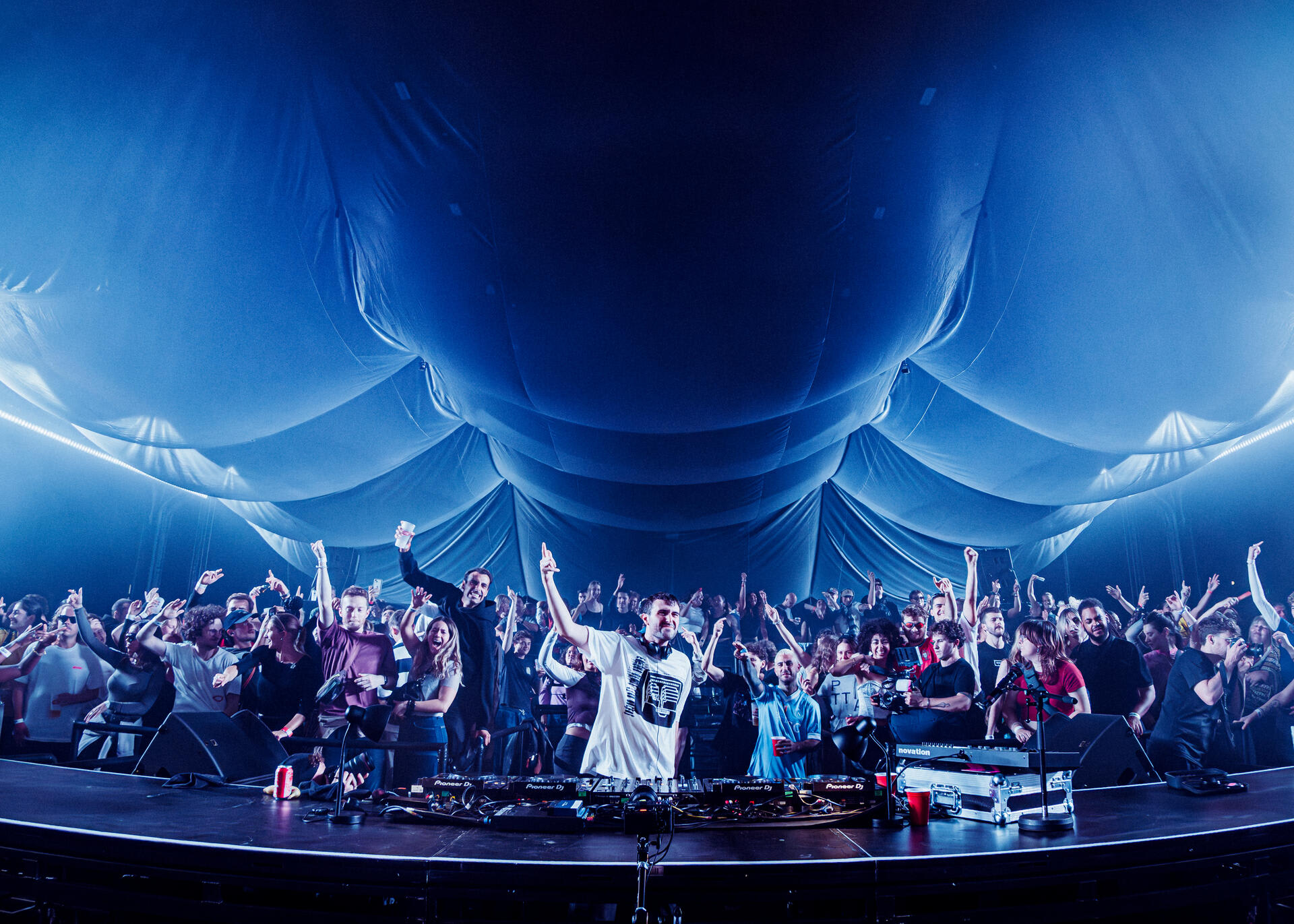
"This is quite different to quick flash gimmicks we often rely on when designing shows," Hickling continues. "It means the audience coexists with the beauty of the design instead of always feeling slightly on edge that they need to capture it before it disappears."
Telling a story through design
Last year, Kendrick Lamar created one of the most memorable Super Bowl half-time shows in its history, transforming the American football field into his playground. Sets in the shapes of PlayStation controller buttons were placed around a central platform, creating staging that made an impact both from a distance and in close-up shots on camera.
Lamar and his dancers moved seamlessly between the sets, huddling under street lamps in intimate moments that contrasted with scenes where dancers flooded the field, marching in formation dressed in red, white and blue. With the stage design and how he interacted with it, Lamar invited us into his America
Incredibly, Bad Bunny managed to up the ante with his recent half-time show, and though we are fresh on its heels, his sucker punch set designs that celebrated Puerto Rico will not be forgotten anytime soon. A maze of tall grass wrapped around recreations of a rural Puerto Rican house with pink walls, a town plaza that became the stage for Lady Gaga's performance, a real wedding ceremony and detailed storefronts based on a Latino neighbourhood in New York City – all of this among mini sets that wove further meaningful layers into the performance's rich tapestry, including the moment where Bad Bunny hands his Grammy trophy to a young boy watching the award acceptance on TV.
Similar staging to Lamar’s half-time show was brought to his Grand National tour with SZA, including a car dressed to look like a Buick GNX, which is what he named his latest album after. The Buick has sentimental value to Lamar, as it was a Buick Regal his father drove when he took him home from the hospital after he was born. Although it's unlikely that people watching the show will know this, many may recognise the car from the GNX album cover, adding a meaningful reference point on stage.
At the Grand National tour, Lamar was sharing the stage with SZA, who added her visual stamp to the car with overgrown, draping leaves. Through this clever design move, the two artists' aesthetics were intertwined.
Design shapes our surroundings
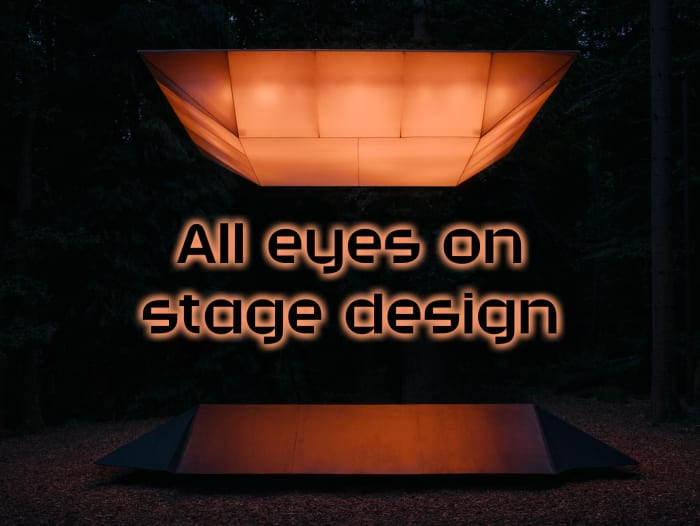
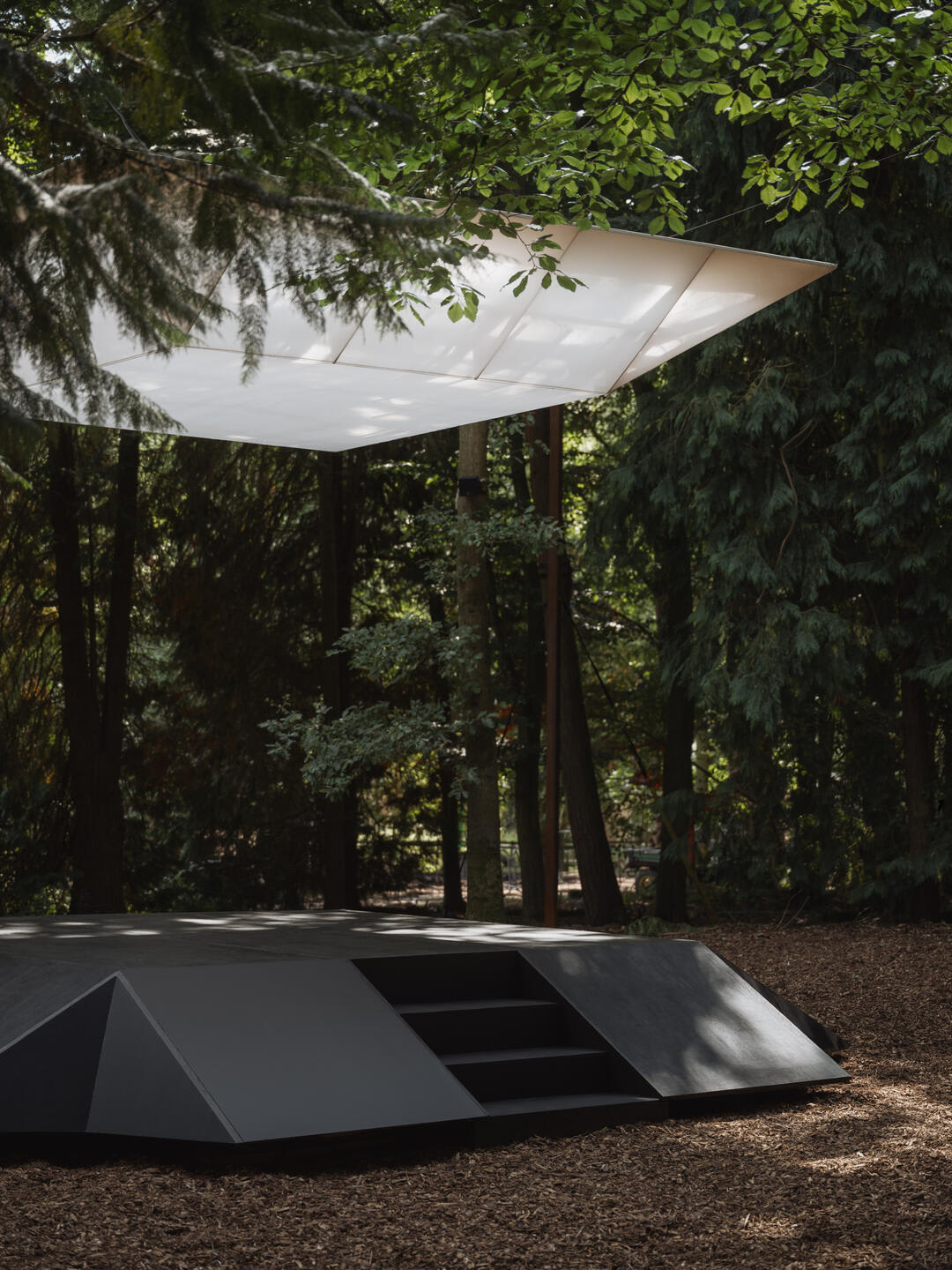
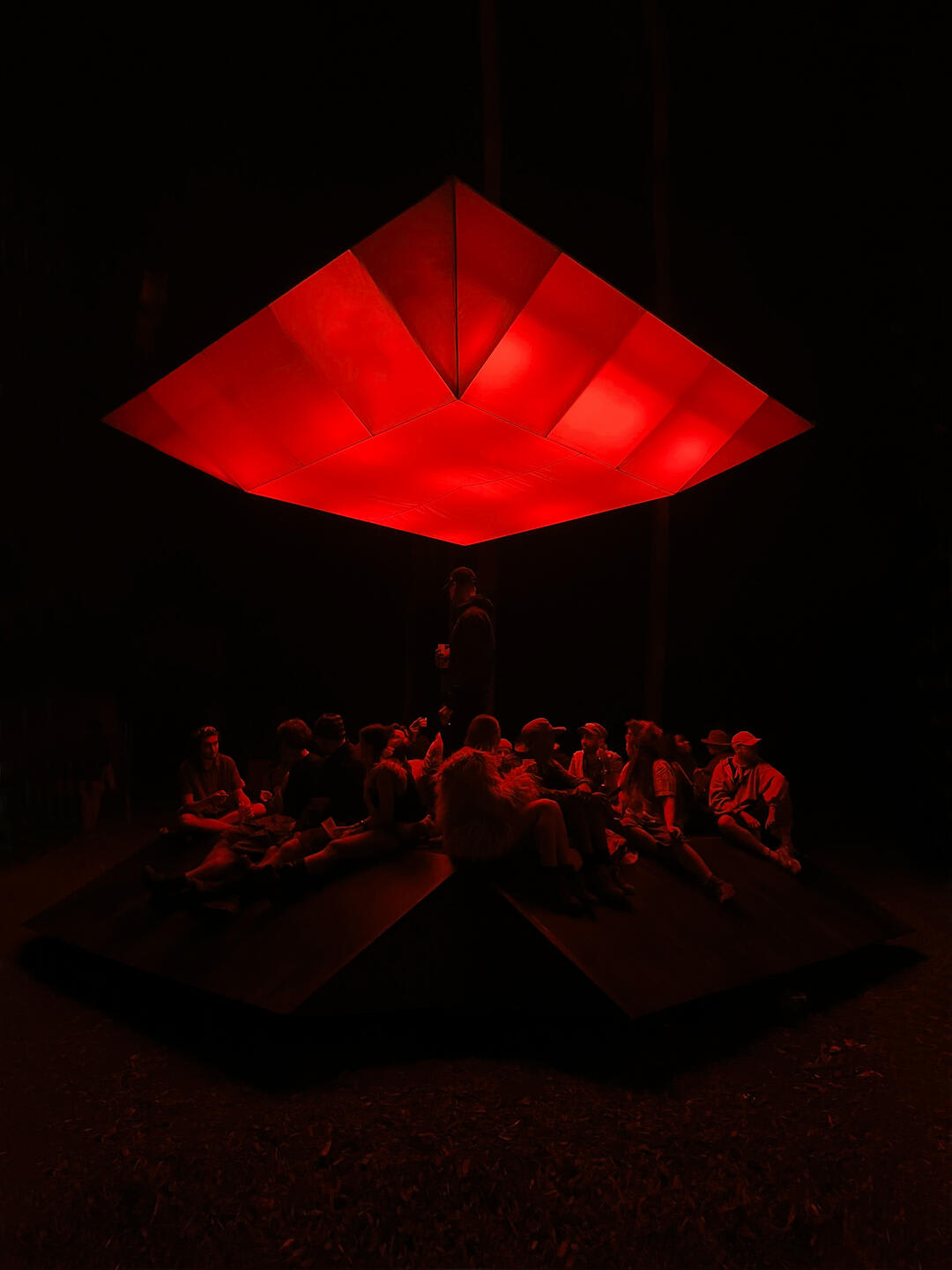
Perhaps where design is most important is when there is no building enclosure to work with – when an everyday street or empty field is transformed into an atmospheric music venue. Last year's Houghton Festival saw the addition of an installation by Benni Allan, founder of London-based EBBA Architects, which brought festival-goers together under an illuminating installation named Pulse.
Inspired by Houghton's nature-immersed setting, the installation featured a suspended fabric-wrapped structure displaying colourful glowing lights, which responded to sound recordings from the surrounding trees.
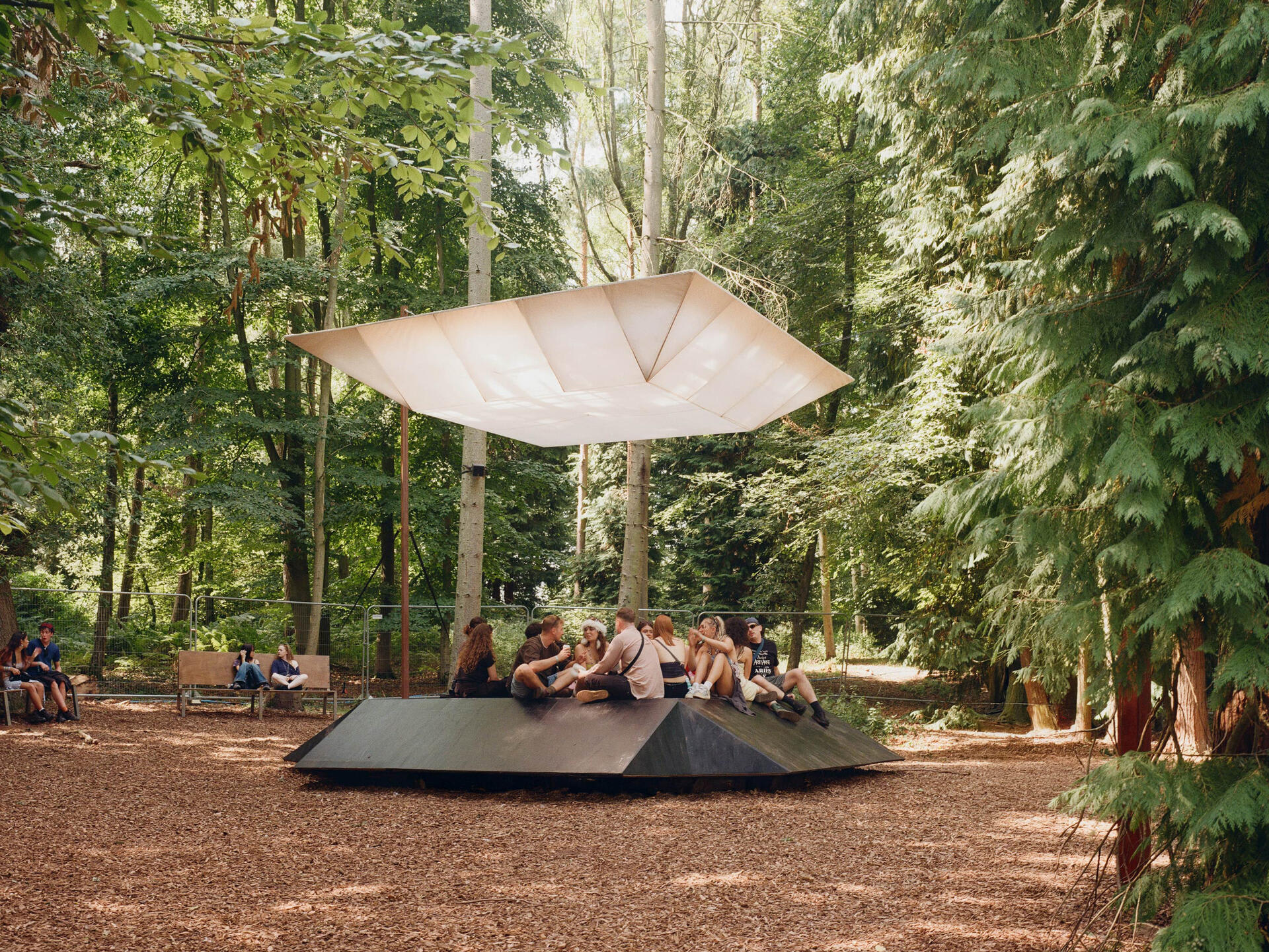
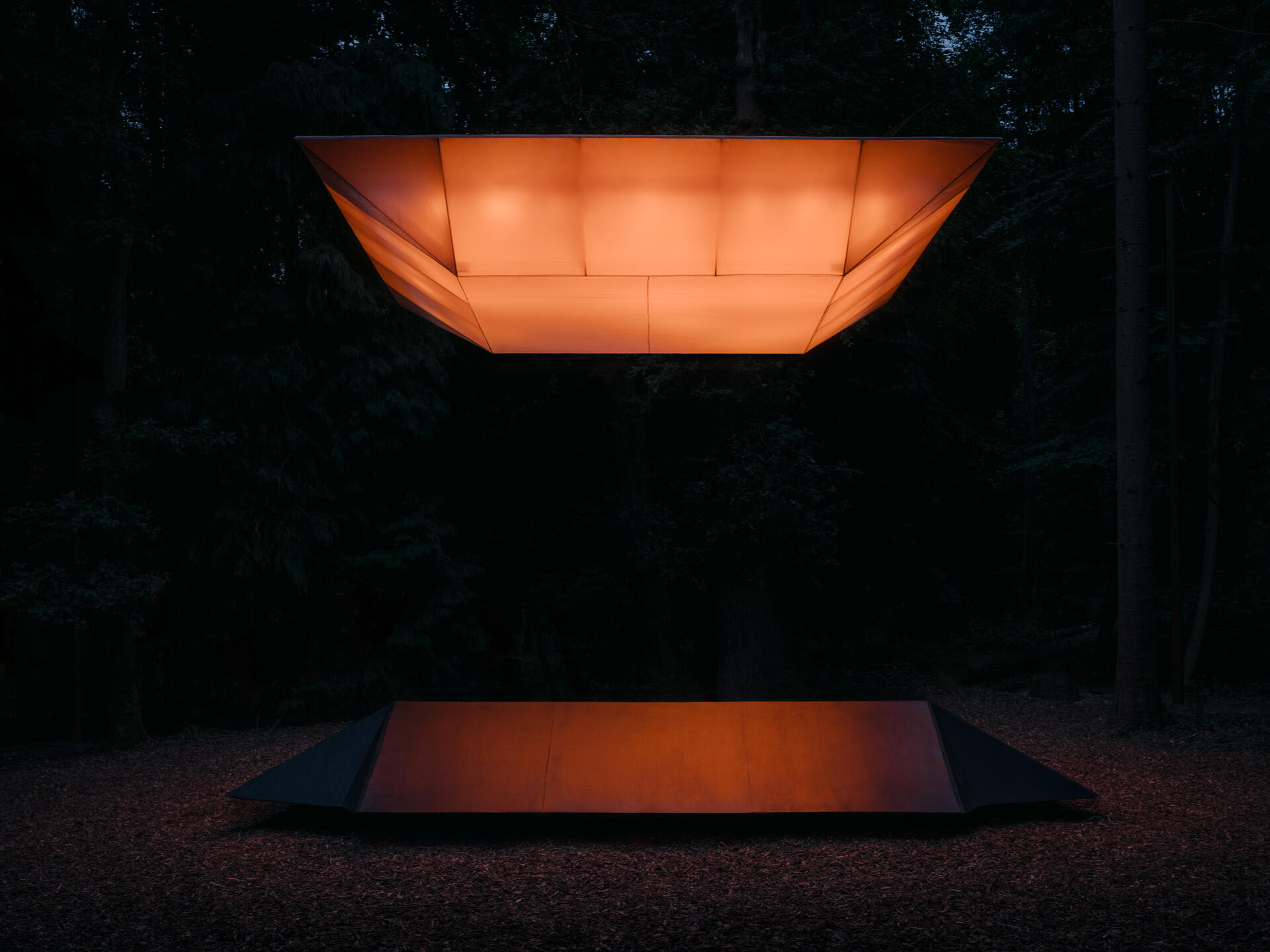
The natural woodland setting is the constant visual backdrop to Houghton, but the design of Pulse connected festival-goers with the setting on another level, as they reclined on the platform in peaceful meditation, sat to chat with friends, and danced under the canopy, forming a destination in itself away from the music stages.
Set to return to Houghton this summer, the installation exemplifies how design has become an increasingly important factor in shaping experiences at music events.
"Stage design creates the world in which the music lives"
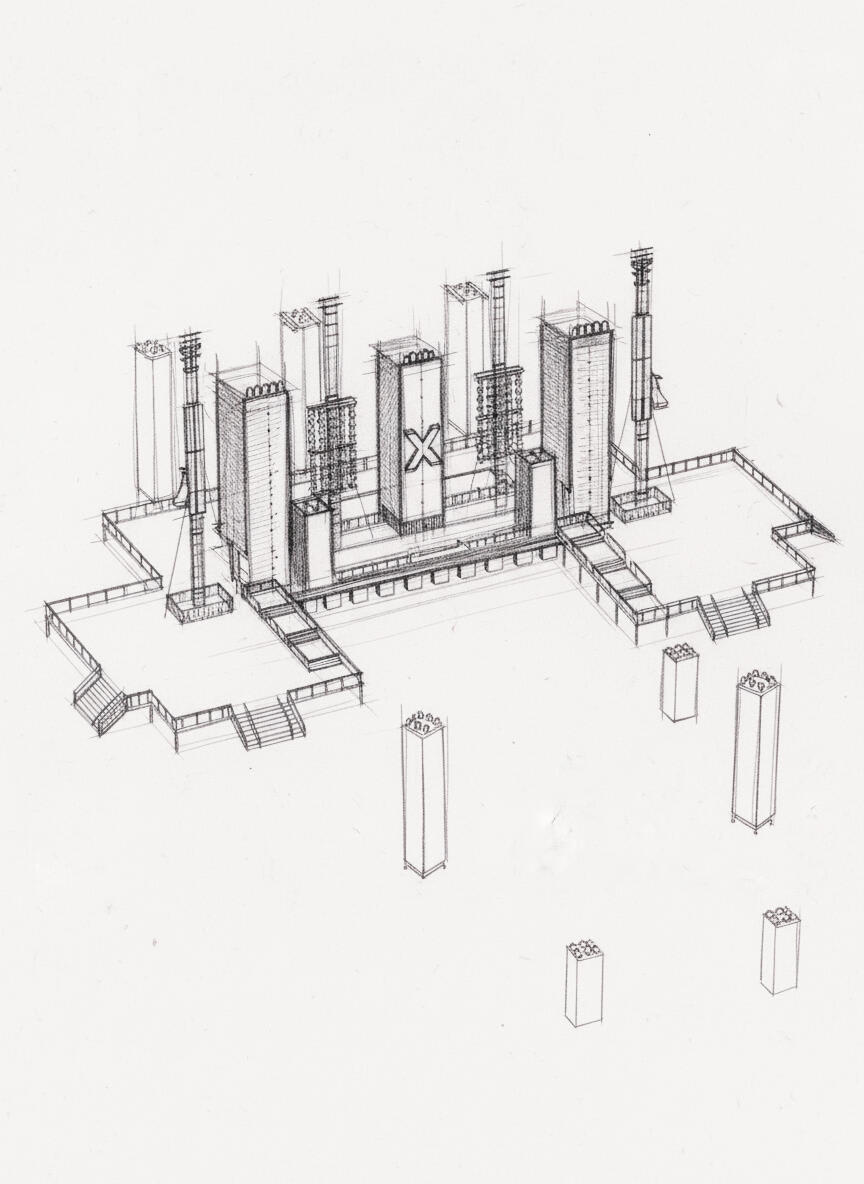
Also last summer, in bustling São Paulo, music experience company HangarCreates designed a temporary outdoor venue for electronic duo Adriatique on the Vale do Anhangabaú promenade, adding tall LED towers that echoed the silhouettes of surrounding high-rise buildings. Light matrices were placed between the towers to unify the stage, and two more LED towers were situated on either side of the crowd to extend the visual design further into the space.
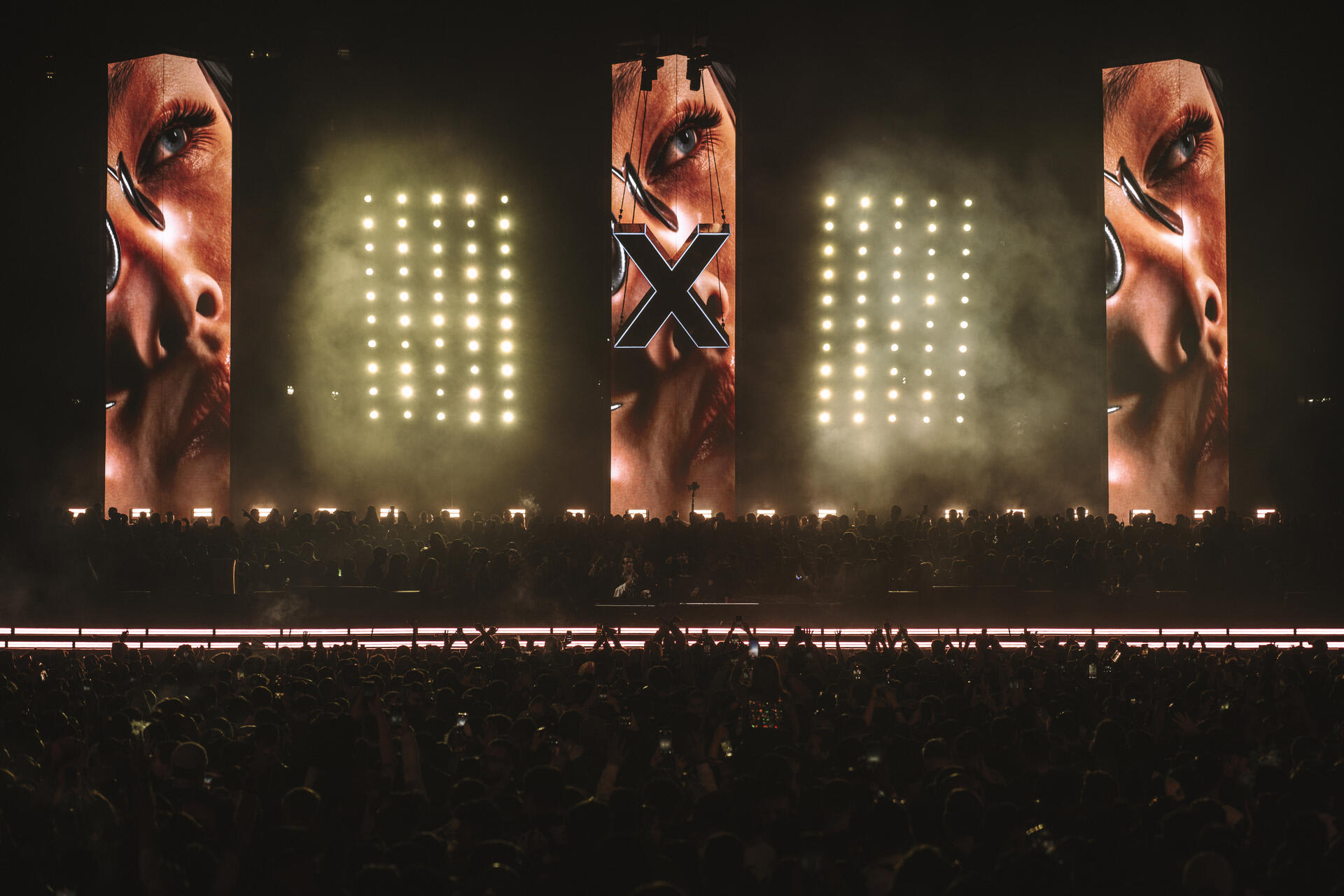
"For São Paulo, the approach was very minimal, raw but instantly recognisable," said HangarCreates CEO Marvin Weymeersch. "The idea was to use monoliths as strong architectural icons, simple, vertical and uncompromising."
"In today’s music scene, especially in electronic music, people don’t come only to listen. They come to experience something collective, emotional, almost cinematic. Stage design creates the world in which the music lives. It sets the tone, the scale, the intimacy or the intensity of a moment."
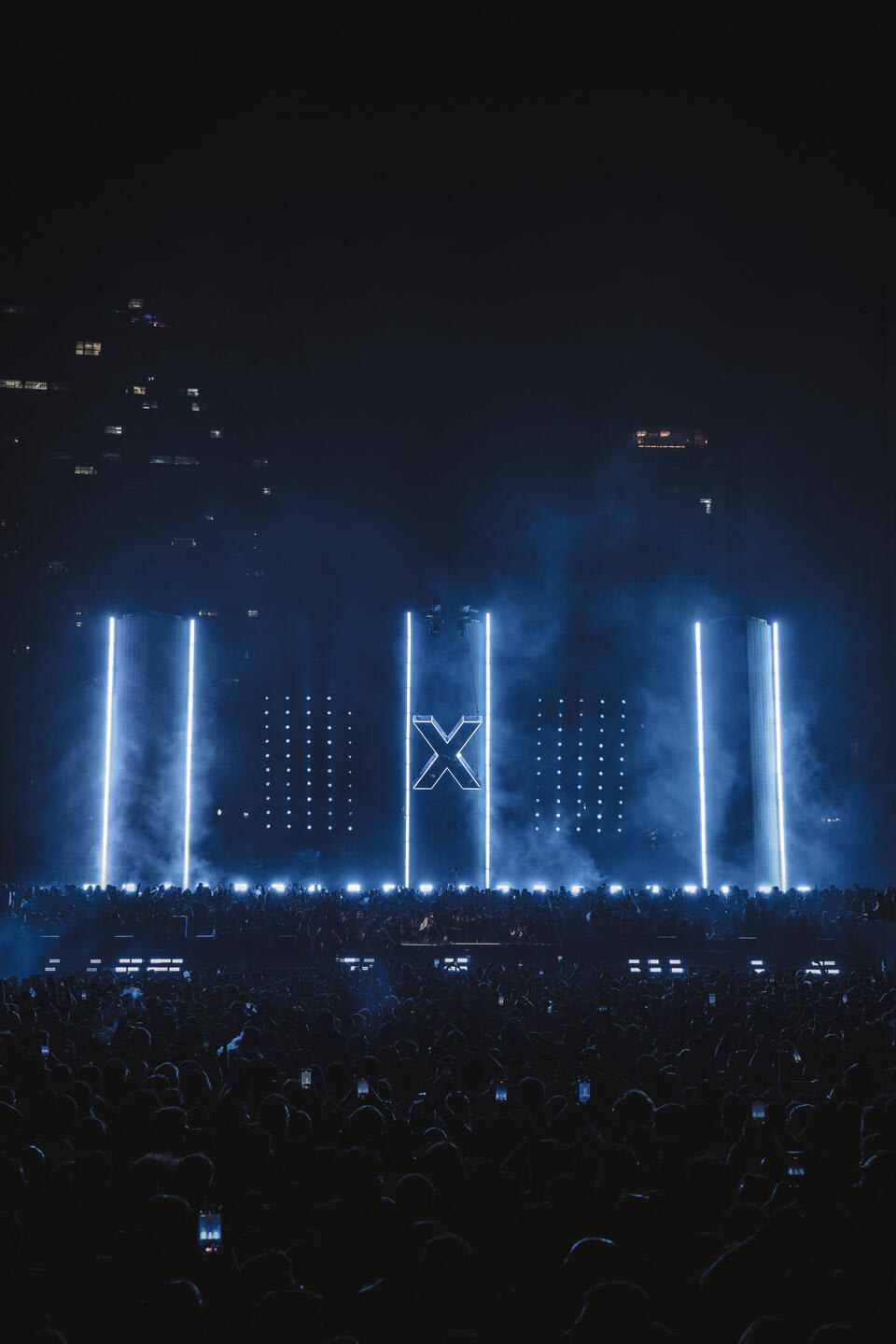
Whether it’s at a concert, warehouse or festival, all the examples detailed above use design to leave a lasting impact on the audience. EBBA Architects and Acket created visually appealing installations that formed a sense of unity in the crowds under their canopies, Lorde and Lamar used design to tell their fans more about themselves, HangarCreates transformed the urban environment and created a mini music metropolis with LED screen skyscrapers. When it comes to crafting memorable experiences, music and design go hand-in-hand.
We’ve come to expect a level of visual intrigue at live events – when design is an afterthought, it makes the whole experience feel lacklustre – but good design still has the power to move us. You might not even realise the impact the stage design has had on you until you’re reminiscing back home and playing the moment back in your mind. The memories of live music are inextricably tied to what we see.