
Baile Funk: When a sound goes global
Often coined as protest music, the genre continues to leave a mark on Brazil’s musical history — and more recently on electronic music scenes globally. As Baile Funk travels beyond its origins, more than just rhythm makes the journey.
Words by Alice Otieno, Photo Credits: fotobruliz
I was first introduced to Baile Funk during a friends gathering in 2017. While completing our undergraduate degree, we would get together after lectures, surrounding a speaker to decompress from the day. Coming from our respective countries across Africa, dancing, discussing and listening to the latest music would be a way of sharing experiences and memories. The 2010 funk hits were reminiscent of the genre’s bassy sound, propelled by the likes of Furacão 2000 and DJ Marlboro in the 1980s to early 2000s. When Baile Funk first hit the UK, the genre was still in its early adoption. Though it stood out from what was popular at the time, the craze around 2017 wasn’t quite as widespread as it is today. The piercing sound effects and drumming patterns that demand movement without seeking permission from the listener still characterise the genre in my body and hearing.
Early beginnings of what we now know as Baile Funk can be traced back to a Rio de Janeiro suburb in the 1970s. Reported by journalist Lena Frias in 1976, Bailes Black were Soul and Funk dance parties that sparked Movimento Black Rio, a cultural and political movement for Afro-Brazilians. At the time, the movement was a reprieve for Afro-Brazilians, as the country was still under dictatorship rule. In the 1980s this influenced Baile Charme, where people would show up at Viaduto Madureira and dance to hip-hop, soul and funk records from North America. These dances provided a place of expression and community for people who lived in the North Zone and outskirts of the city.
Over the last four years, Baile Funk has taken the electronic scene by storm. You don’t have to look hard to find music events across major cities such as London, Berlin, Paris or New York with DJs and collectives lined up to play the genre, like DJ Ramon Sucesso’s time-space bending Beat Bolha (bubble beat) set at Primavera Sound in 2024 or TH4YS, who also played at the festival. It’s difficult to pinpoint whether this trend preceded what I’d like to call “Brazilification” (note: not to be confused with the original meaning of the term) that has concurrently been taking place in the last few years across popular culture. I’ve been using this term loosely to describe the influence Brazilian culture has had in popular culture, primarily through music, dance and fashion. Of course, this isn’t the first wave, the early 2000s are not too far from a distant memory, as the national football team’s sporting success put Brazilian culture on the map. Instead of Baile Funk, songs such as Mas Que Nada and Magalenha by Sergio Mendes accompanied this era.
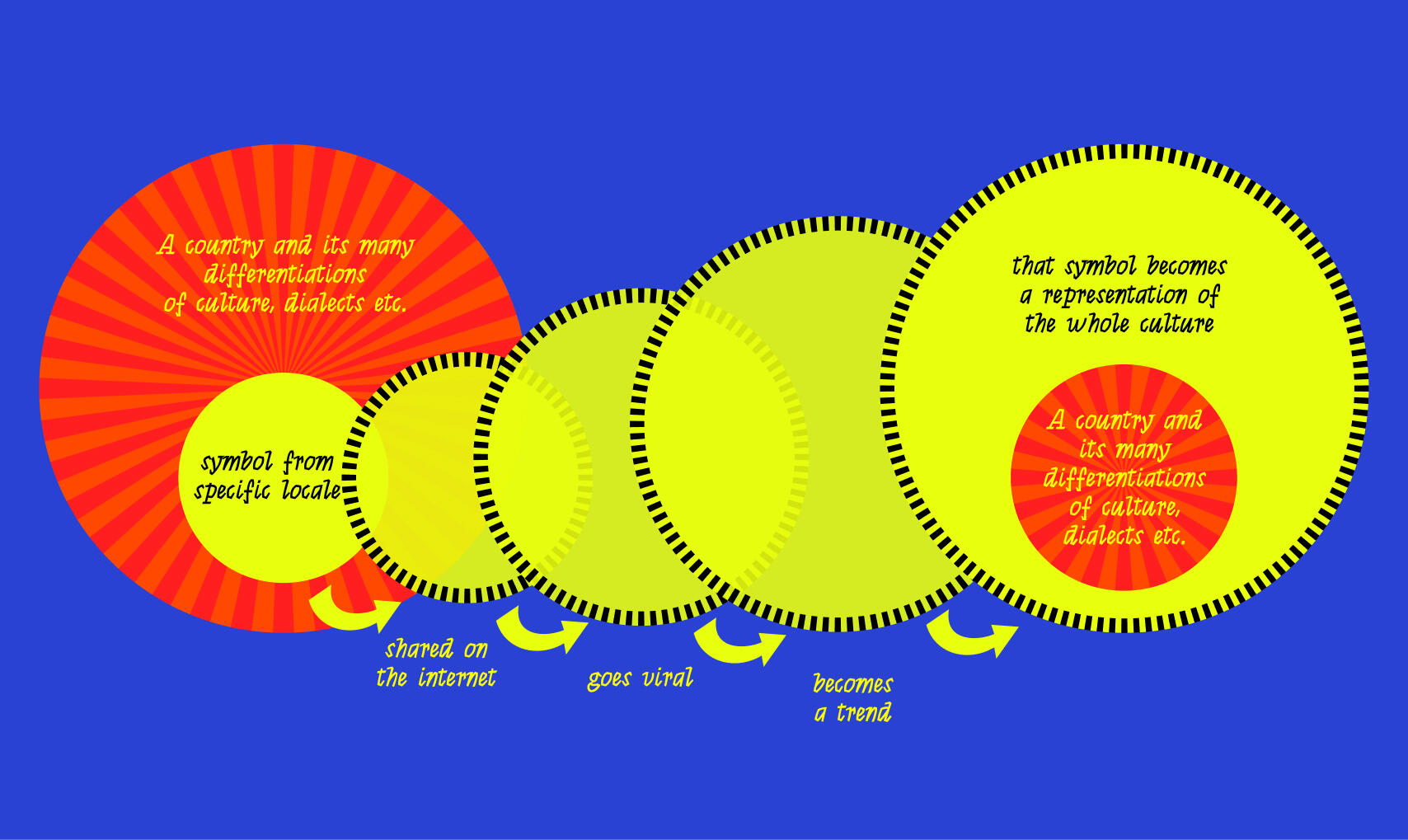
Matching colour combos of green, yellow and blue have become a popular symbol to signify a recent trip to the country for tourists worldwide. During peak tourism time, between December and March, the country's season transitions to summer and the infamous Carnival period. The sound and symbols accompanying Brazilian culture as a trend have become a fascinating case study of what happens when micro-cultures become adopted and spread to wider audiences.
Media theorist Marshall McLuhan attributed this phenomenon as an effect of electronic media shrinking the world into a global village. Irrespective of temporal or spatial boundaries, the world remains vast yet simultaneously connected. For sounds that emerge from communities that are placed at the peripheries of society, the internet provides a democratic ground to share and distribute that culture worldwide. Jack Self similarly notes the ongoing result of the internet and age of information on cultural production in his essay for 032c. Prior to instant communication, he notes, there was no such thing as the contemporary. What once distinguished a specific location is now ubiquitous.
Baile Funk’s history is a complicated one, extending beyond what we typically associate with its characteristic three-kick (Tamborzão) drum beat or viral Passinho dance. Behind the hypnotic combination of Afro-Brazilian rhythms and sampling of popular music from North America, the backdrop of Baile Funk is a never-ending war between police and marginalised communities living in the favelas. Next to the idyllic landscape that entices a life of ease in Rio’s Zona Sul or the cityscape in São Paulo that promises an opportune future, there’s another side that often goes unseen but is heard through the music. Baile Funk is protest music, defying laws of restriction enforced by the state.
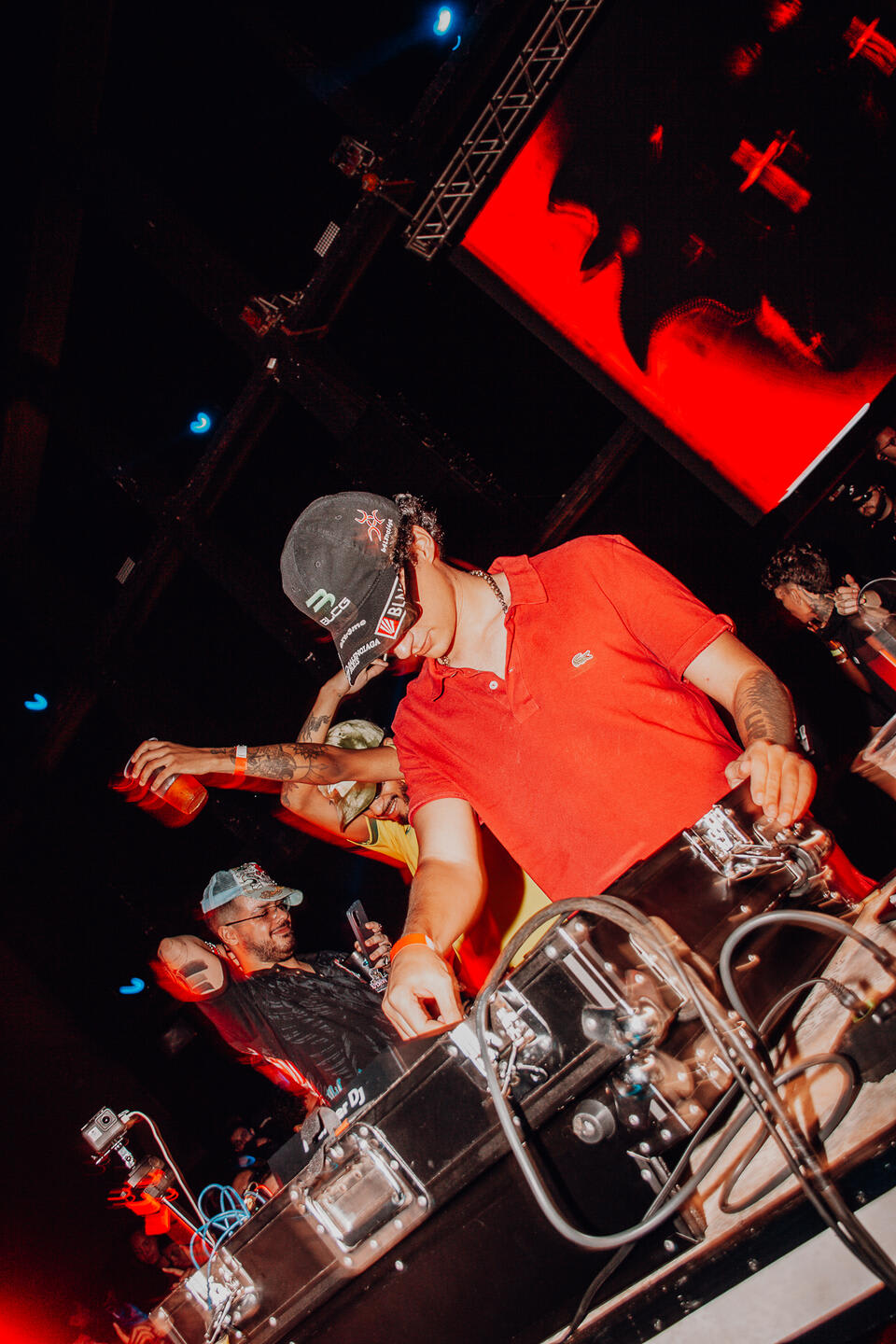
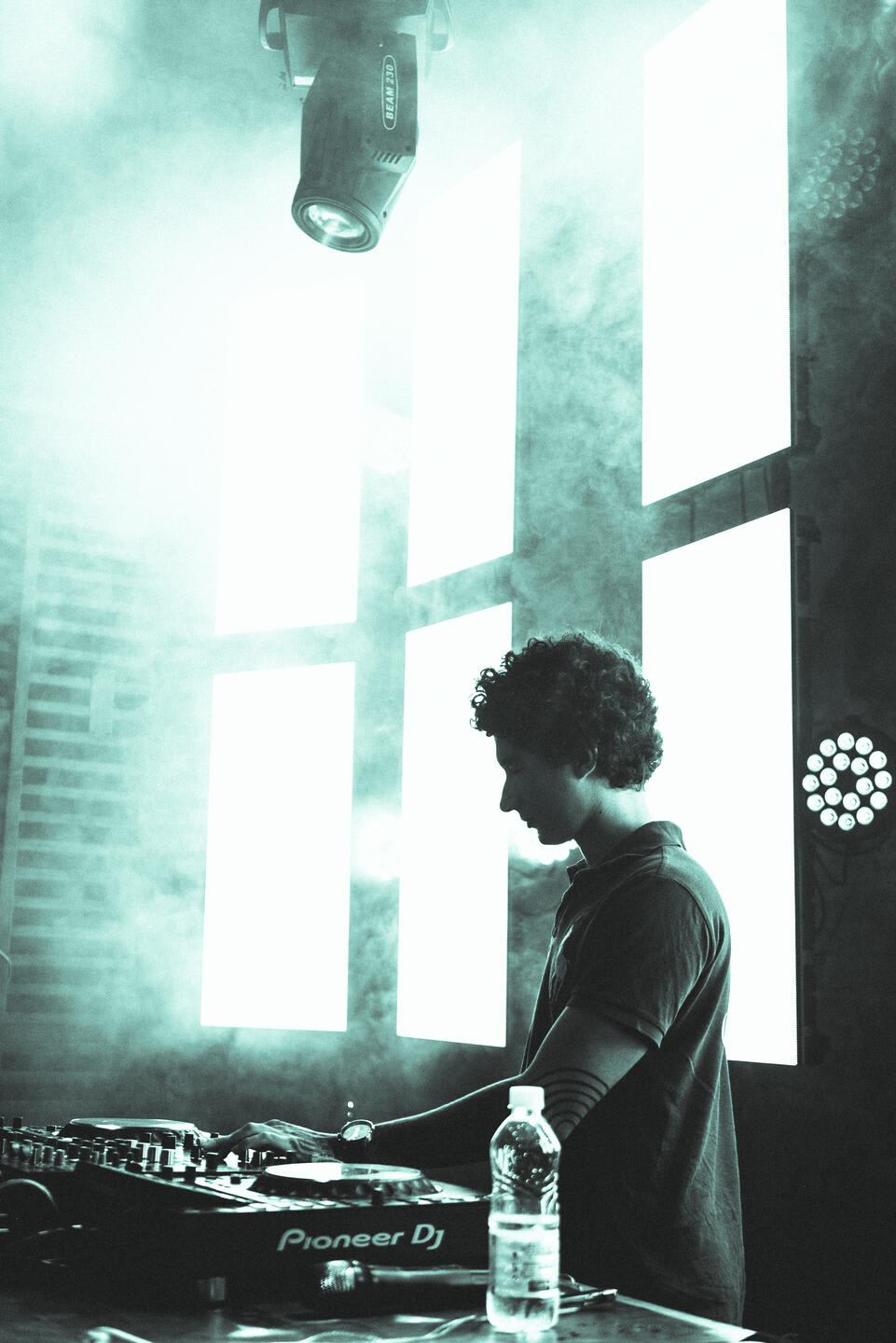
"If your party is at midnight, and you’re playing house music, the police won’t go there to stop it –– it only happens when it’s funk," says D.Silvestre, a DJ and music producer who perceives himself as an outsider of the genre as well as the city of São Paulo. Born in Rondônia, a state in the Northeast of Brazil, his musical background is far different from the music he is making today: a new iteration of the genre characterised by glitchy textures and distorted bass lines.
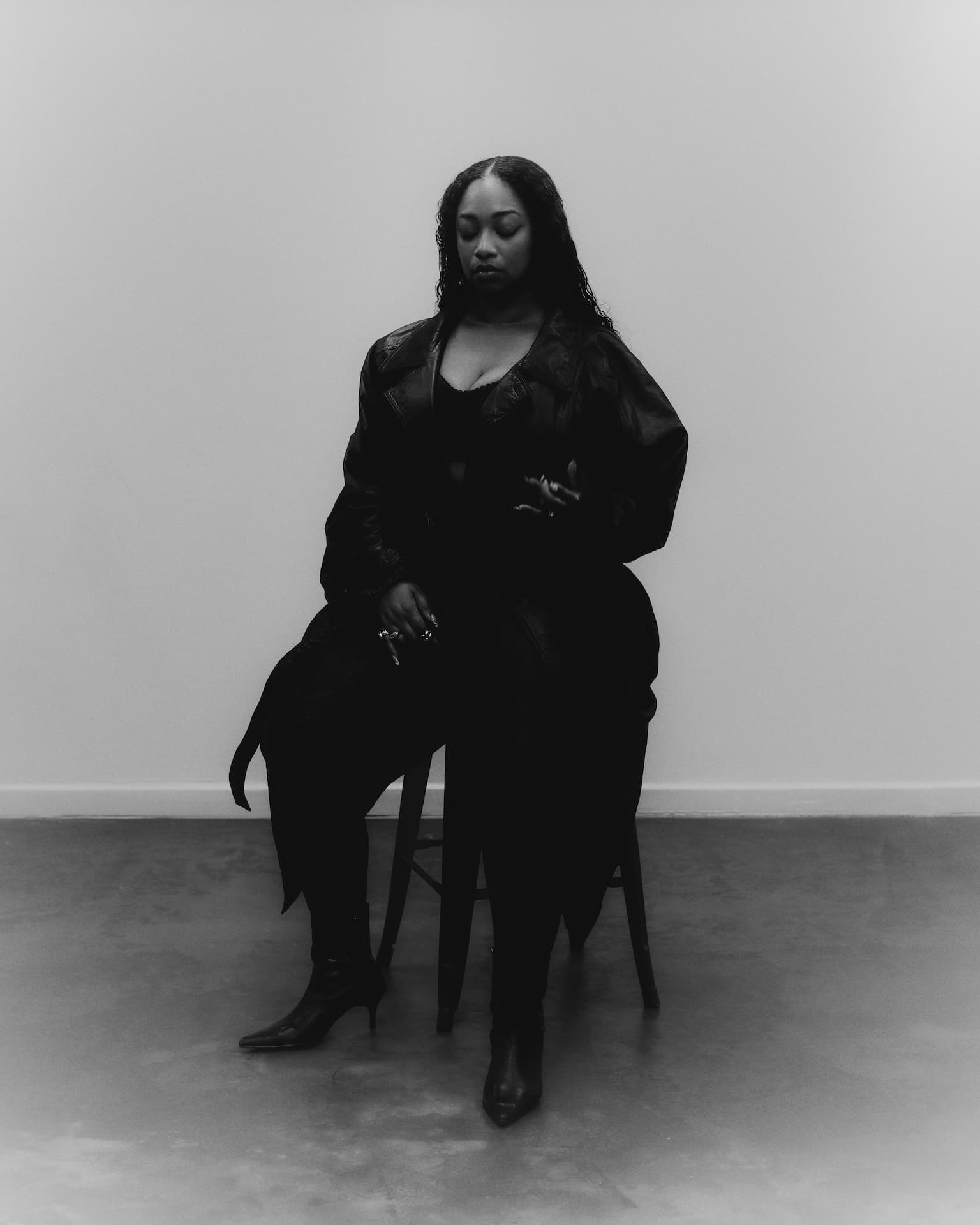
“Both [Grime and Baile Funk] movements started from people wanting to express their struggle, the anger that they had and how unsatisfied they were with the government,” says Peroli, a music curator and founder of collective Perifa no Toque, which began as a protest to the criminalisation of funk back in 2019. “At that time, the only way to listen to the genre was by going to the actual Baile Funk street parties because we were not allowed to play it in most of the clubs.” She also remembers the early 2000s when artists would use their music to express criticism and frustrations towards the Brazilian government. Furacão 2000 was one of the main events at the time documenting the early careers of musicians such as Anitta, Valesca Popozuda and Tati Quebra Barraco.
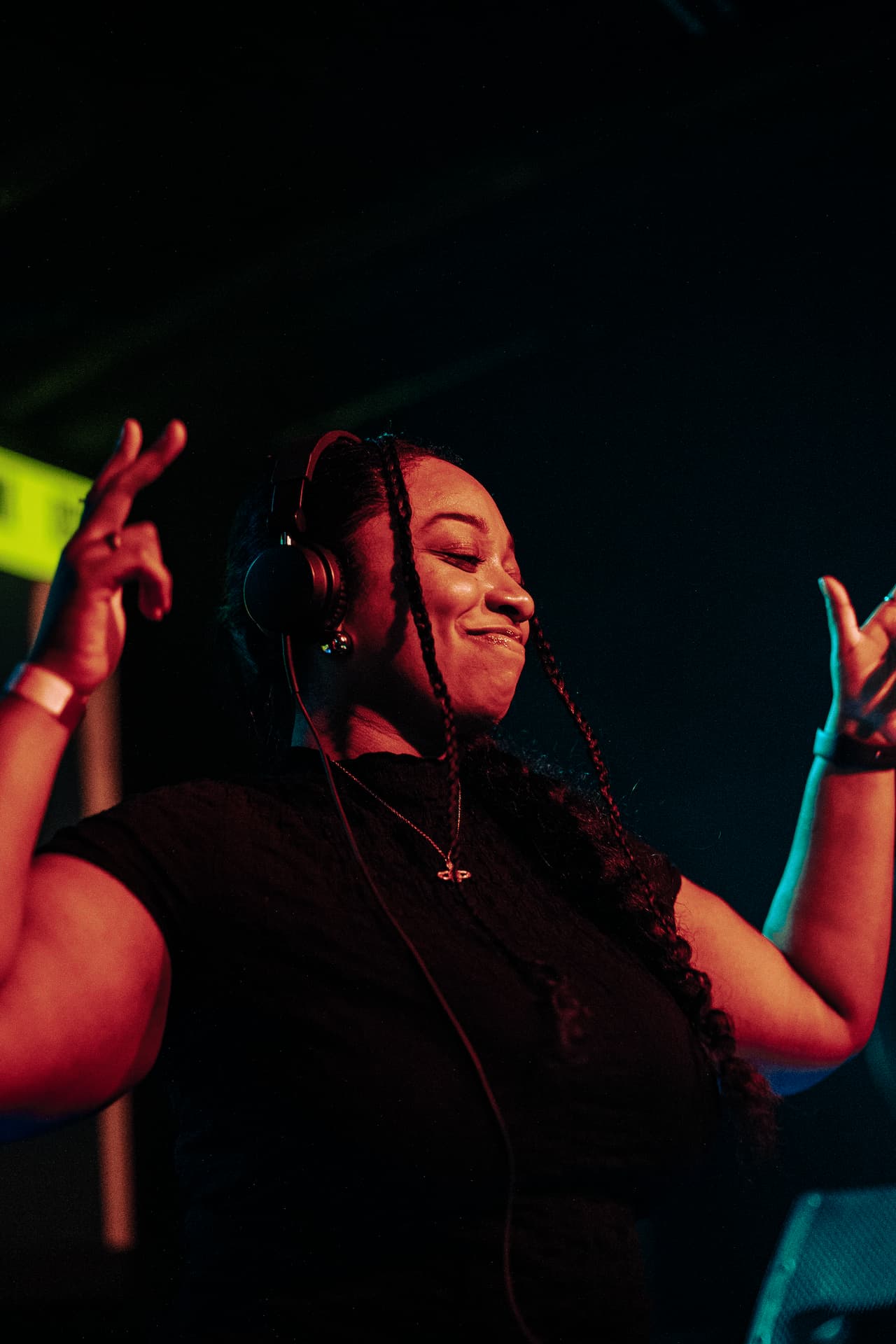
Another collective similarly channelling this spirit of protest is Batekoo, which began in Salvador, Bahia, but has now expanded to other cities within Brazil and Europe. Mamba Negra in São Paulo equally champions the mission of connecting the broader Afro-diaspora to Brazilian culture. Underground collectives such as these are integral to the culture of Baile Funk and ongoing strengthening of ties of the Black community.
While the state and police force may impose strict laws to restrict noise levels, the internet has provided a space where MCs and DJs can share the music and footage from the bailes freely. The internet offers an environment where space can be somewhat governed by the people rather than enforced by those in power. Whether you’re playing Singeli in Tanzania, a Balani Show in Mali, Gqom in Durban, or Baile Funk in a Brazilian city, permission isn’t needed for your sound to be heard on the other side of the world. For genres such as Baile Funk, where it is oftentimes criminalised, the digital world is grounds where such rules can be broken, or at the very least, tested. People exercise freedom they aren’t always afforded in real life to play music whenever they want and at whatever volume they wish. On platforms such as TikTok and SoundCloud, the rawest form of funk gets shared. To cite Legacy Russell, the internet in this instance creates an Other-space beyond the status quo.
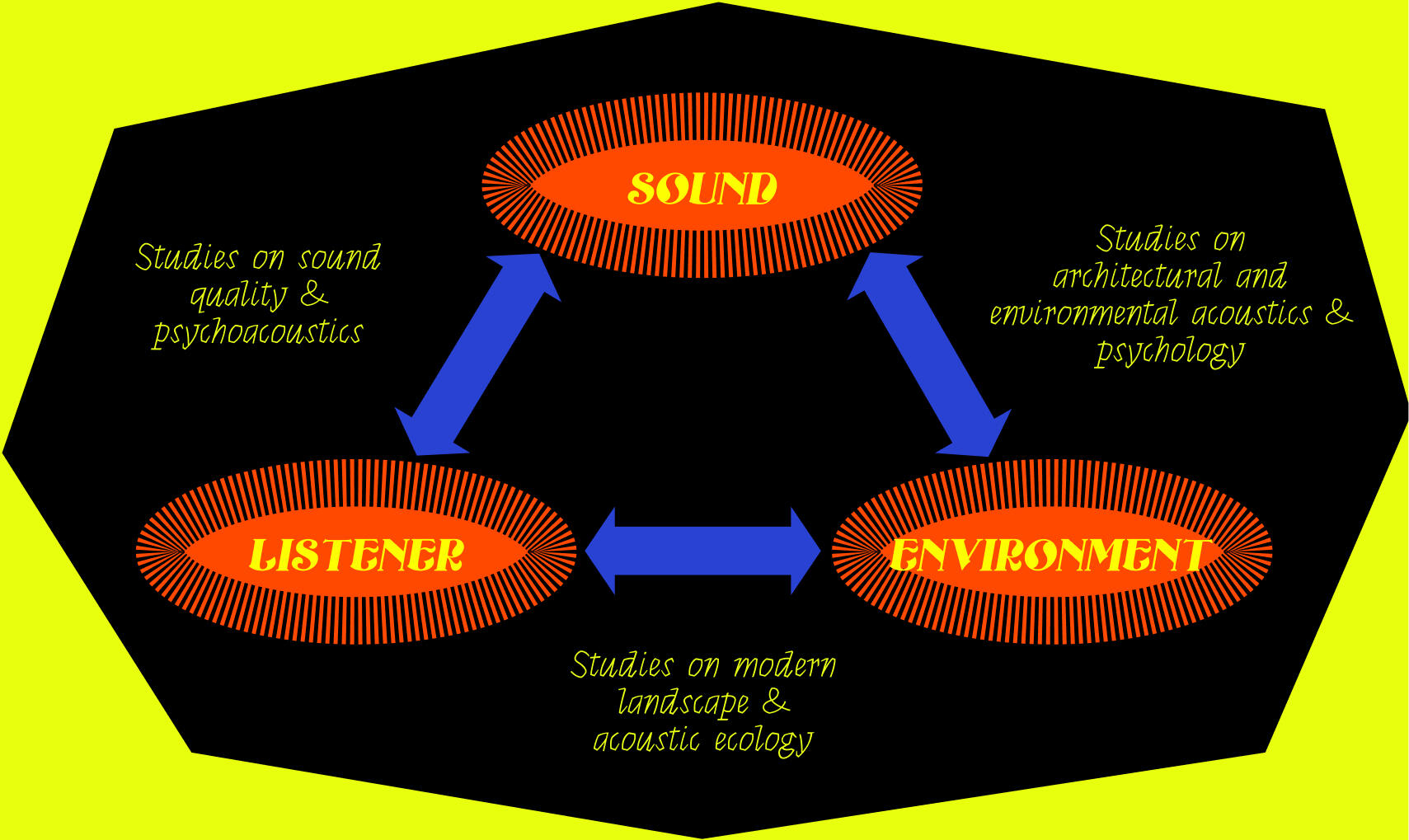
Illustration Graphic 2: Own illustration by EB Team, adapted from Audiokinetic, based on R. Murray Schafer, The Soundscape: Our Sonic Environment and the Tuning of the World (Rochester, VT: Destiny Books, 1994).
October marked a pivotal moment in Brazil’s political landscape with the country’s general election. Following a Bolsonaro win in the first round on October 4th, protests across major cities in Brazil, London and Portugal, as well as online, made people come together for democracy. Brazilian musicians such as Djavan and Anitta came to the forefront to make their vote clear and endorse Lula. Fortunately, the result of this movement contributed to the resounding win from Lula to stay in office for the next four-year term. A far-right Brazilian leadership would have closely resembled what we’re witnessing in the United States, with policies directly impacting cuts and erasure across arts, cultural sectors and those already placed on the margins of society the hardest.
The music that surfaces during times of unrest is a reminder of sound’s inexplicable connection to people and place. Songs, hymns and chants can offer a reprieve. On the contrary, it can become a channel to give voice to the people. The sounds emerging from our respective geographies, cities and landscapes are reflective of a society and those who inhabit a place: their frustrations, hopes and desires. “The soundscape is active and dynamic because we are part of it, and it changes with our presence and absence,” writes Ana María Romano, a Columbian interdisciplinary sound artist, researcher and teacher. In her work she investigates the various ways sound uncovers who we are and our positionality in the world. “After all, it affects us, and because we transform simultaneously, every sound of life occurs there.”
A genre such as Baile Funk is an enactment of defiance to certain communities. Though on this side of the world it may just be a sound that trends every few years, it will remain a part of Brazil’s musical history and social fabric. For a genre deeply rooted in the spirit of improvisation and experimentation, its sound will only continue to mutate in the upcoming years.