

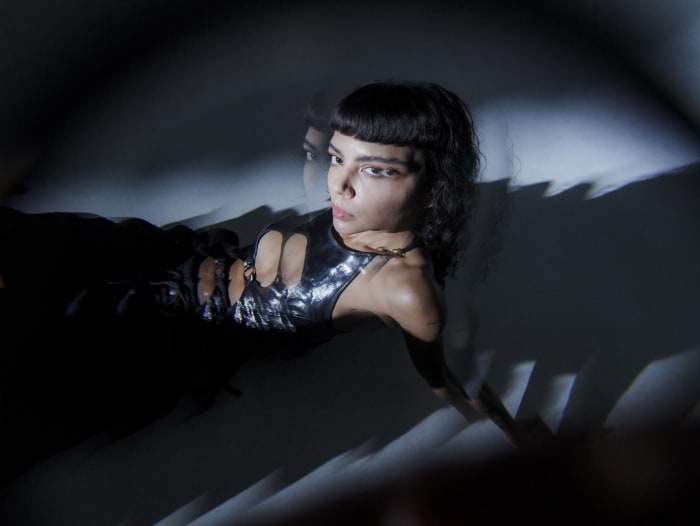
Kianí del Valle questions the human condition
Meet the rising star of dance, creating from honesty and rawness.
Words by Juule Kay
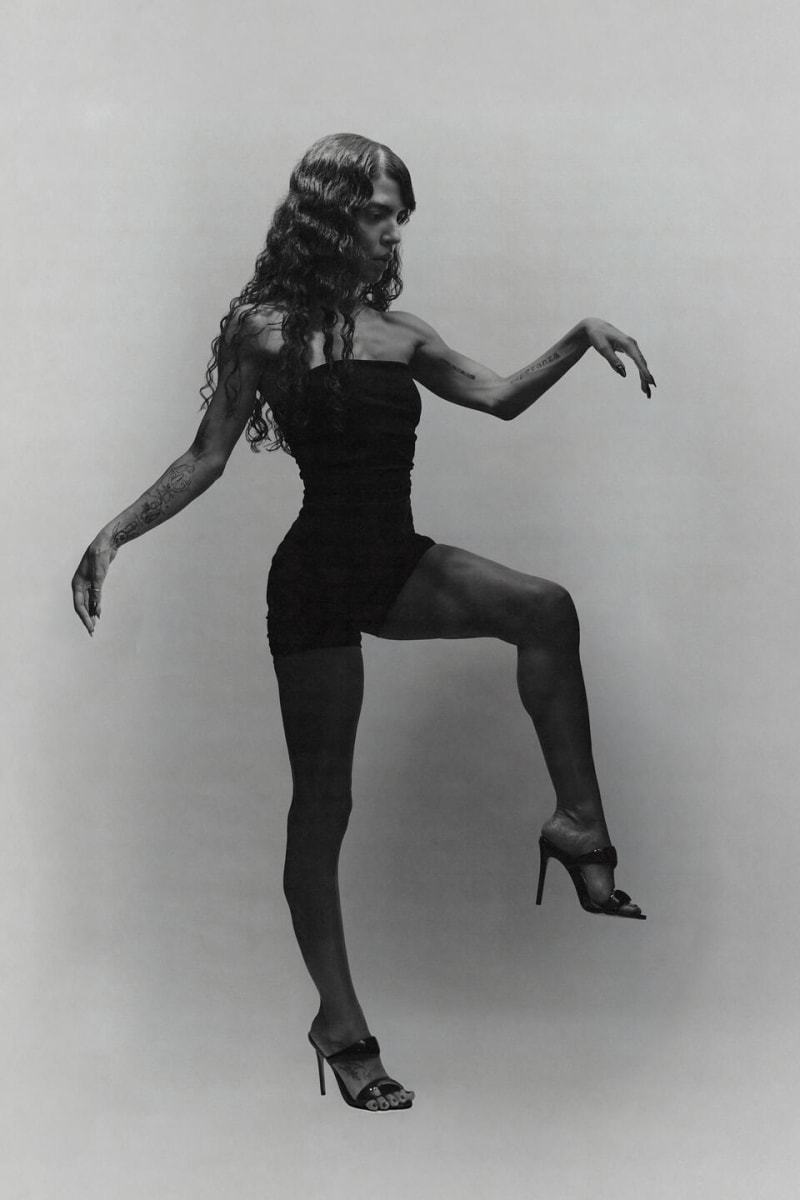
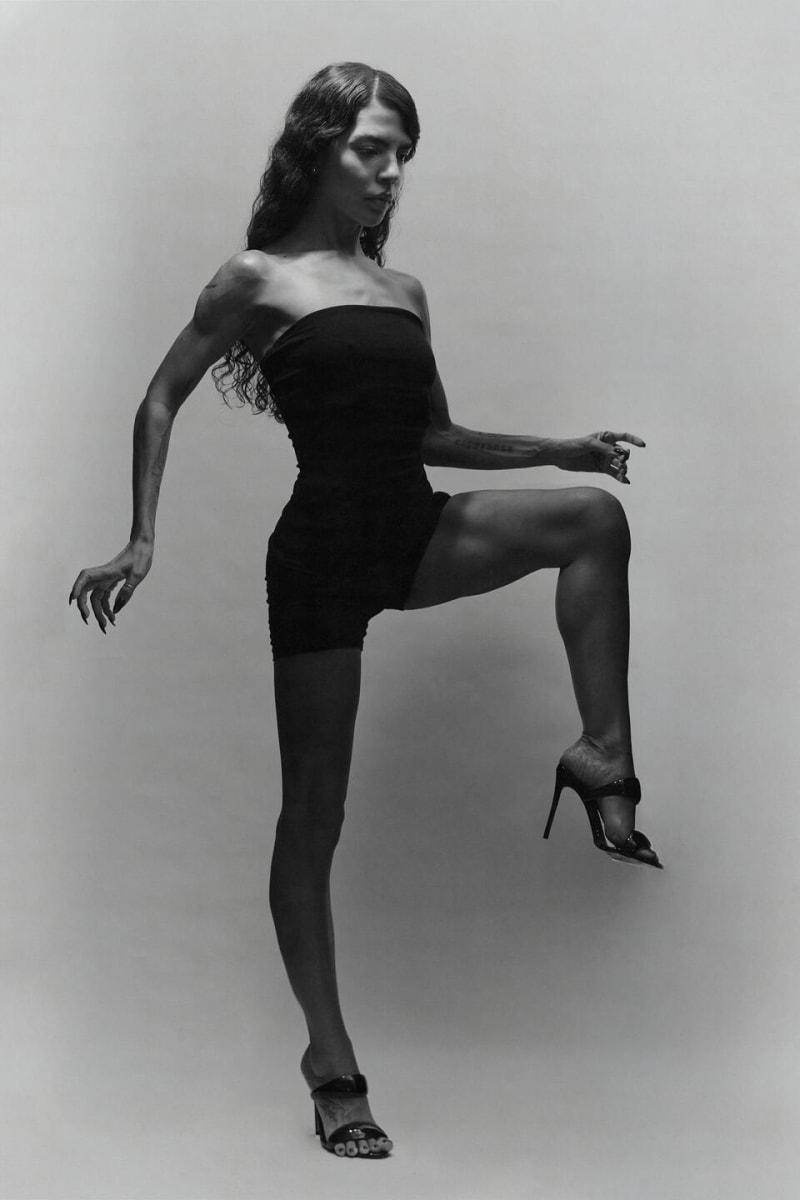
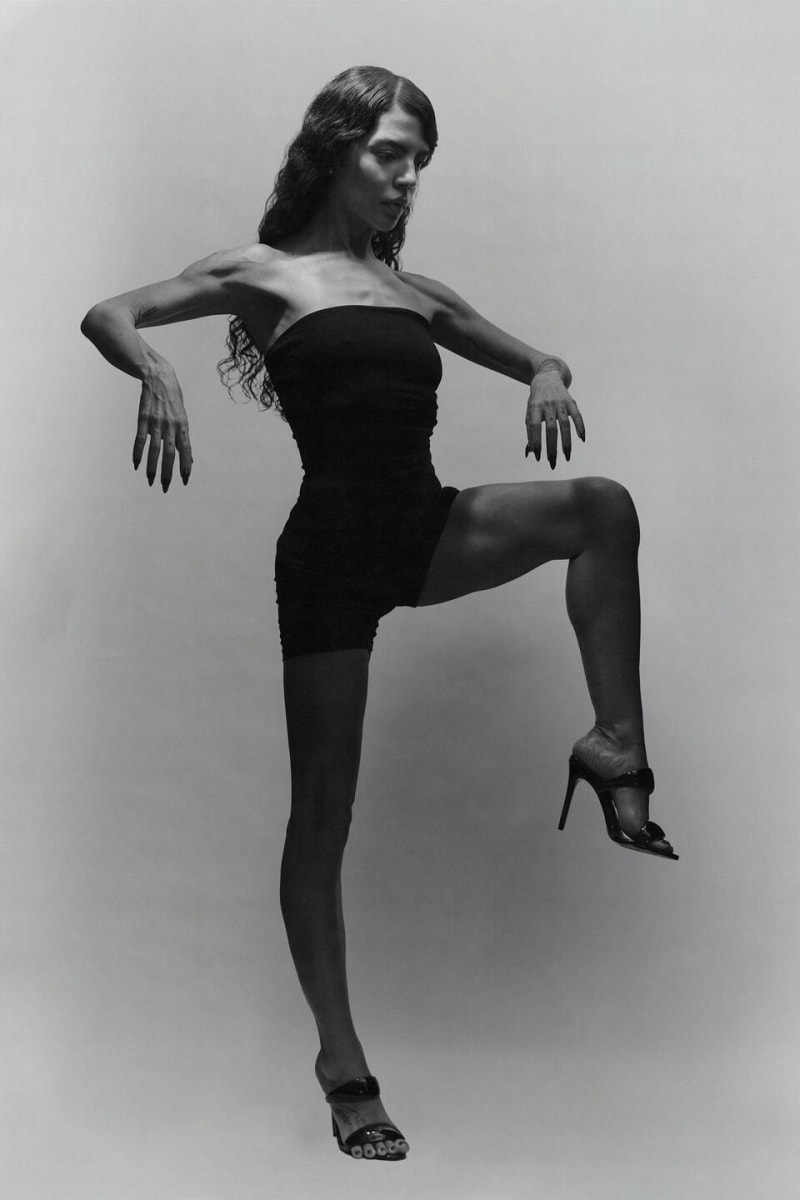
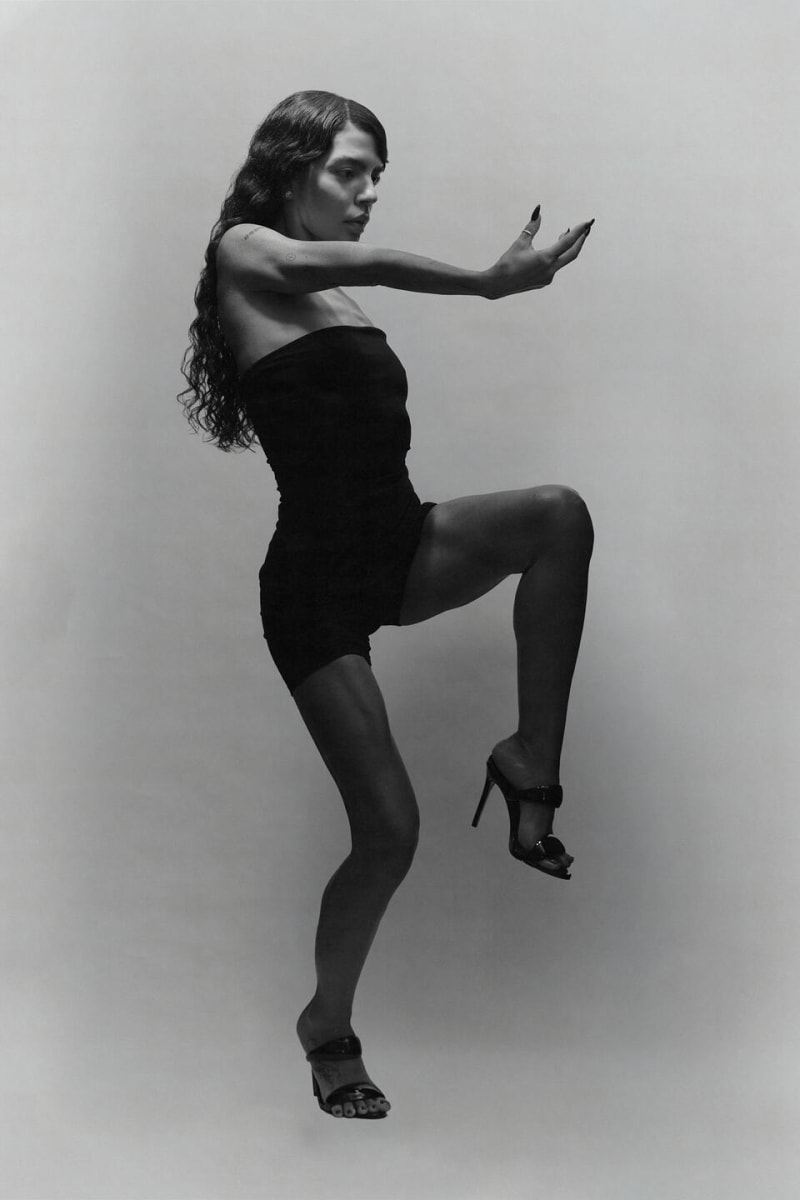
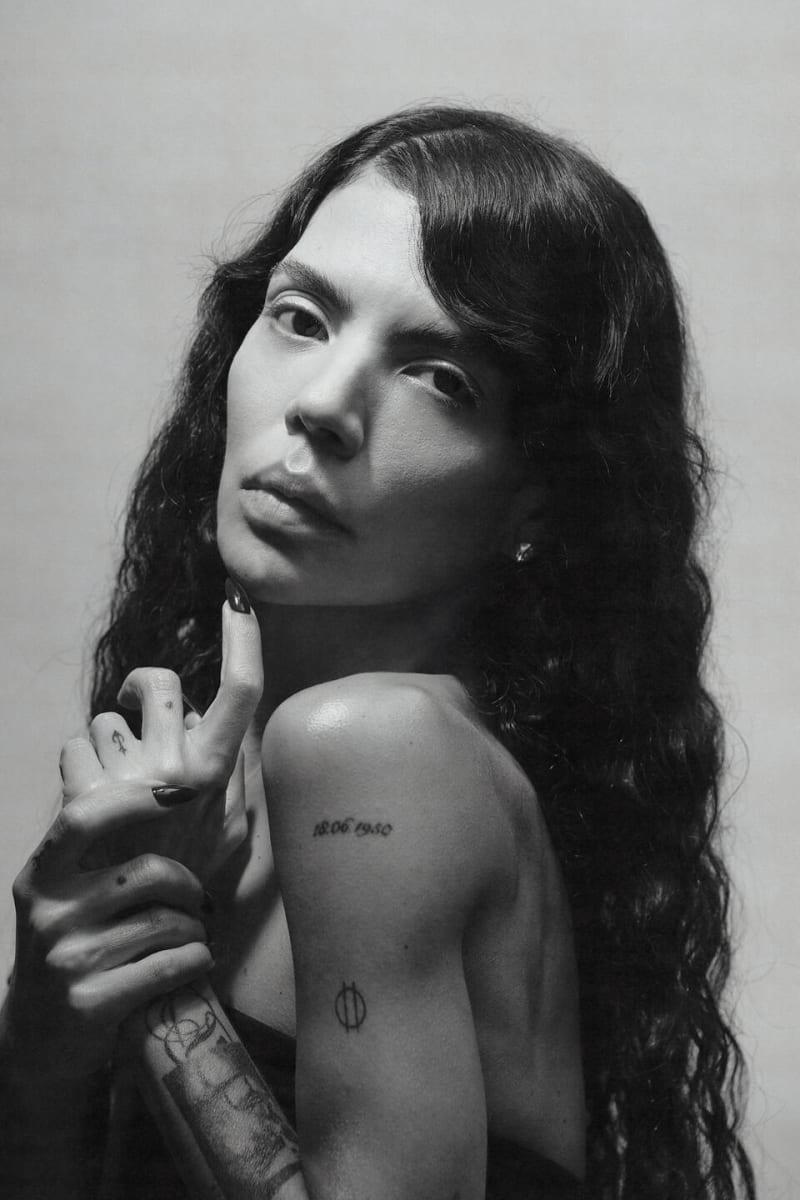
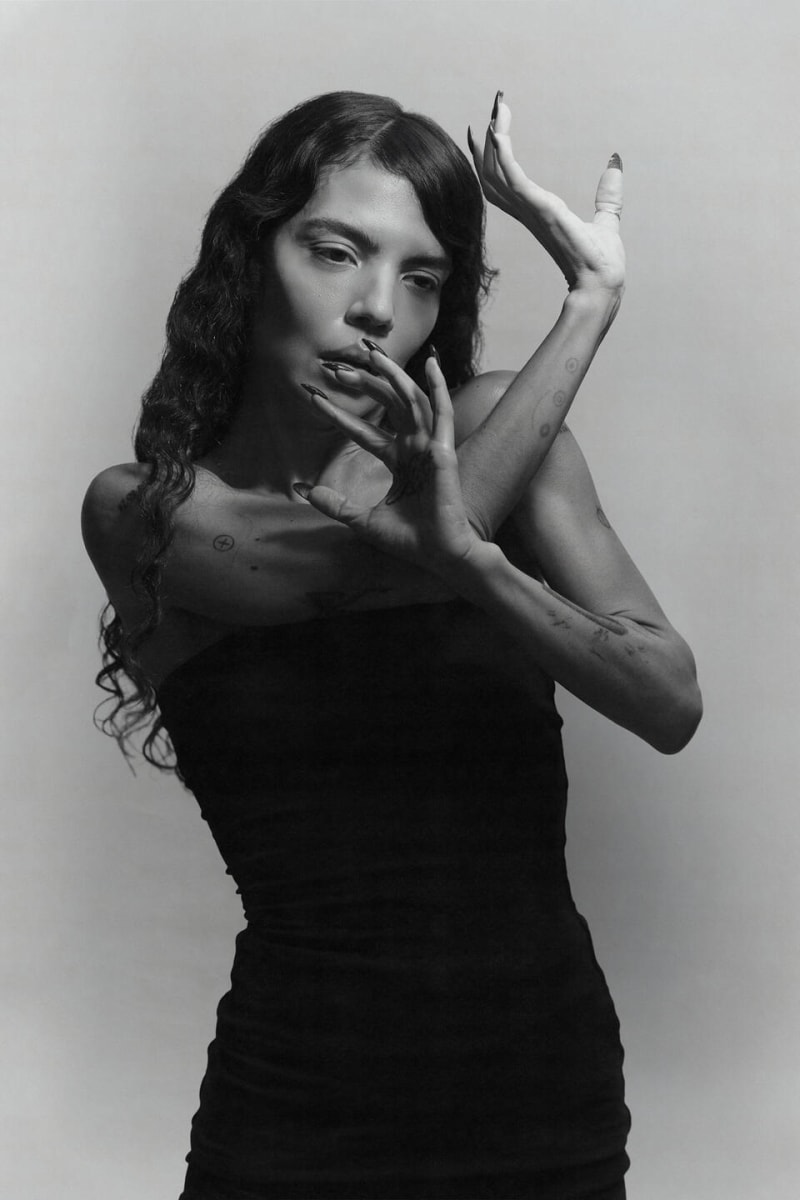
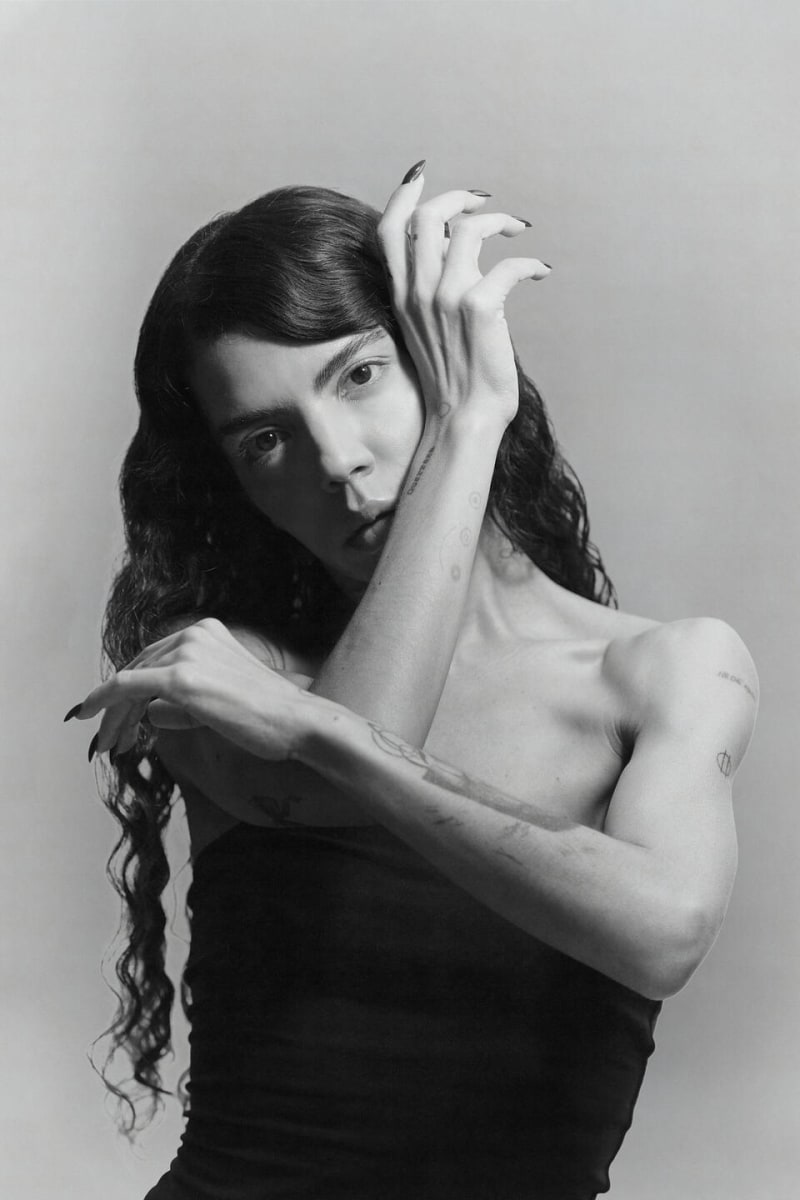
“There’s so much going on, and I’m already thinking about what’s coming next,” says Kianí del Valle, smiling at the front camera of her phone. A world tour with Lorde? Check. A part in Bad Bunny’s Super Bowl half-time show? Check. Showing at this year’s Venice Biennale? Check. She’s currently in Puerto Rico, directing the new tour of trap artist Young Miko. No rest for people with big dreams. “They always hire me as a choreographer, a dancer or a pretty face, but nobody gave me the opportunity to direct,” she continues, referring to Puerto Rico’s quite male-oriented underground scene. After more than 20 years in business, Kianí del Valle’s career is taking off to new dimensions. Her packed calendar is a choreography of its own.
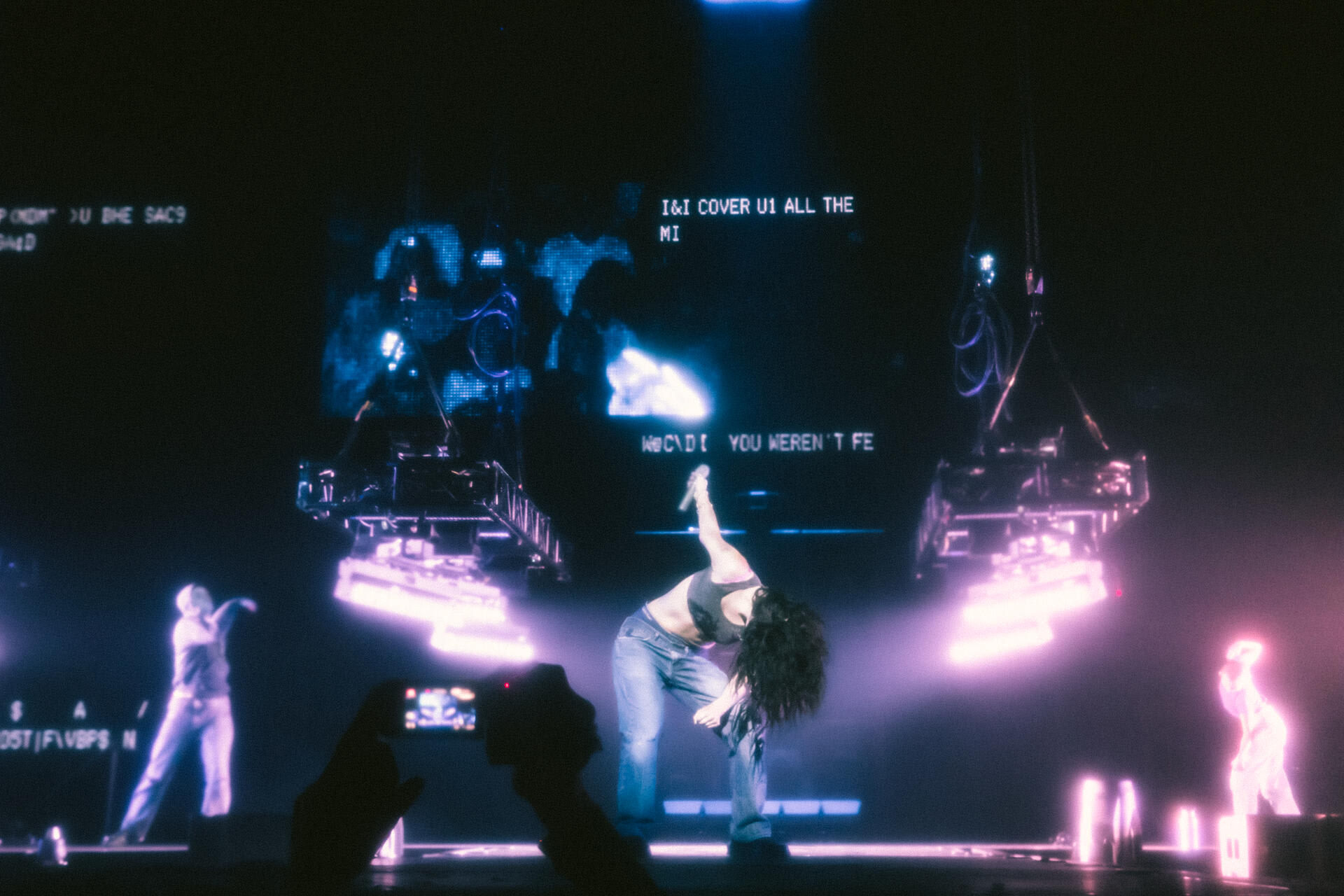
It doesn’t matter if it’s the big stage or an underground performance, the multi-hyphenate always finds a vessel for her vision. A script to her universe. One just needs the freedom to create. Superstars like Lorde get it. For her ULTRASOUND world tour, the pop icon invited Kianí del Valle to work on the dramaturgical script. “There’s a lot of me in the tour because I was given the trust to be purely myself,” she recalls. “It’s so wild to finally have my durational weird experimental museum pieces in a stadium format.”
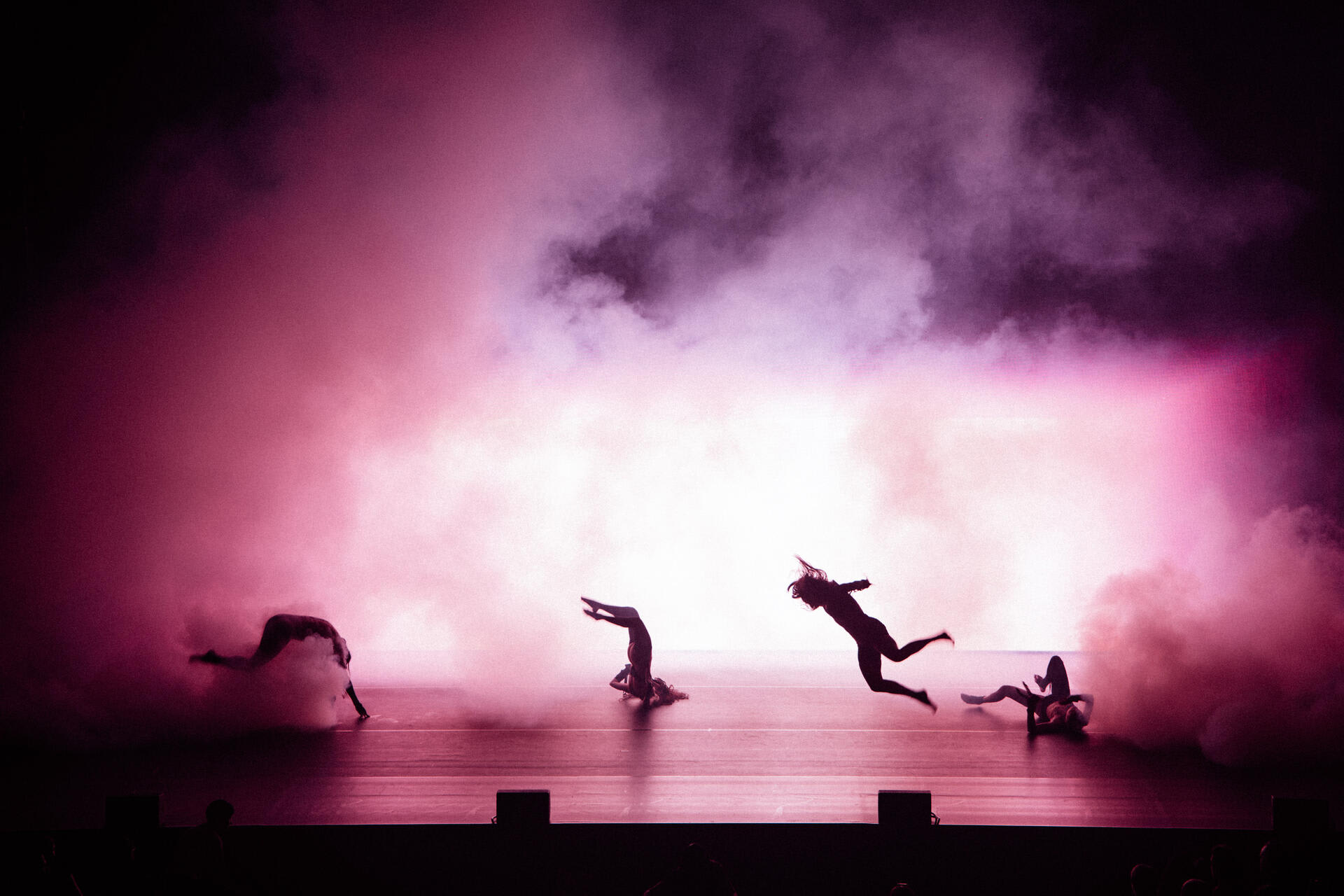
But it’s not always been like that. Her first shows had no audience. A real community is built over time, with trust, involvement and a vision. As a result, her norm-bending performance group KDV is not only a vibrant ecosystem of dancers but also a family and anchor. For Kianí del Valle, it’s always about being in relation – among performers, with the audience and to oneself.
Kianí, your life has been a whirlwind. When you stop and pause for a moment, where does your mind wander?
To the ideal scenario and where home is finally going to be. I've been thinking about this for the last three years.
You’ve lived in so many different places: L.A., London, Berlin and now back to Puerto Rico. What does home feel like to you?
If I think of a physical place, it will always be Puerto Rico – its history is deeply ingrained in my DNA. I grew up with activist parents who were so involved in social justice. Our existence has been a lot about us making sure we don't disappear. The responsibility of home is here, but my development as an adult has always been connected to dance.
Even though it’s not a place, dance has been the only constant thing in my life. Everywhere I went after I left Puerto Rico when I was 18 is because of dance. The family and community I've been able to develop around my work is because of dance. Home is when I'm in the studio, moving my body. Home is also when I'm with the dancers. Some of these people have been working with me for a decade. There are very close relationships of respect and love between us.
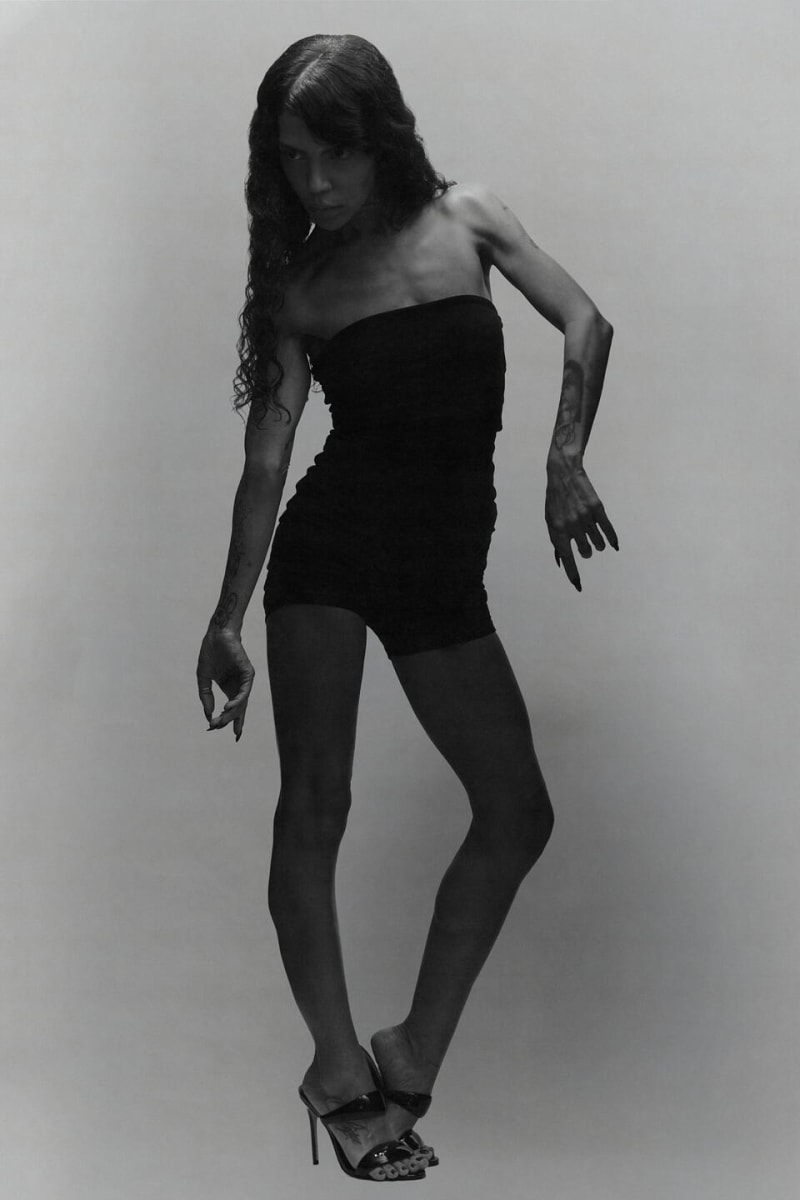
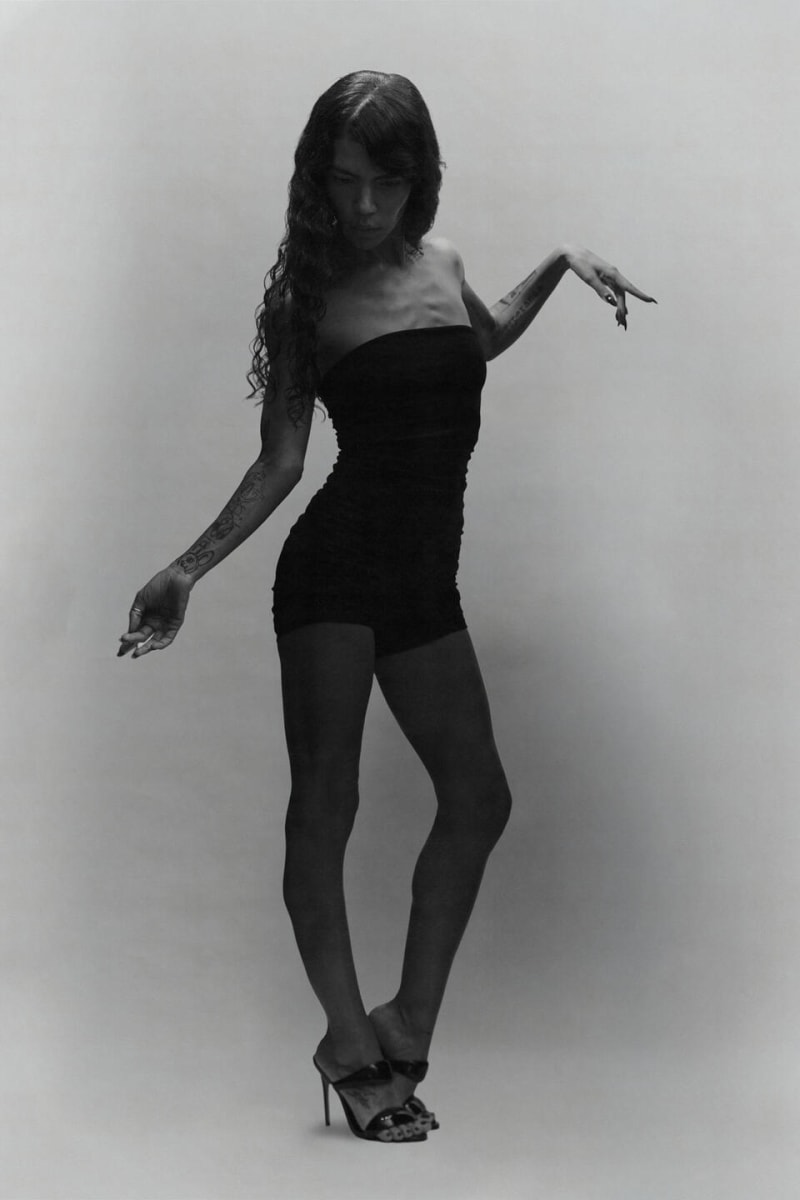
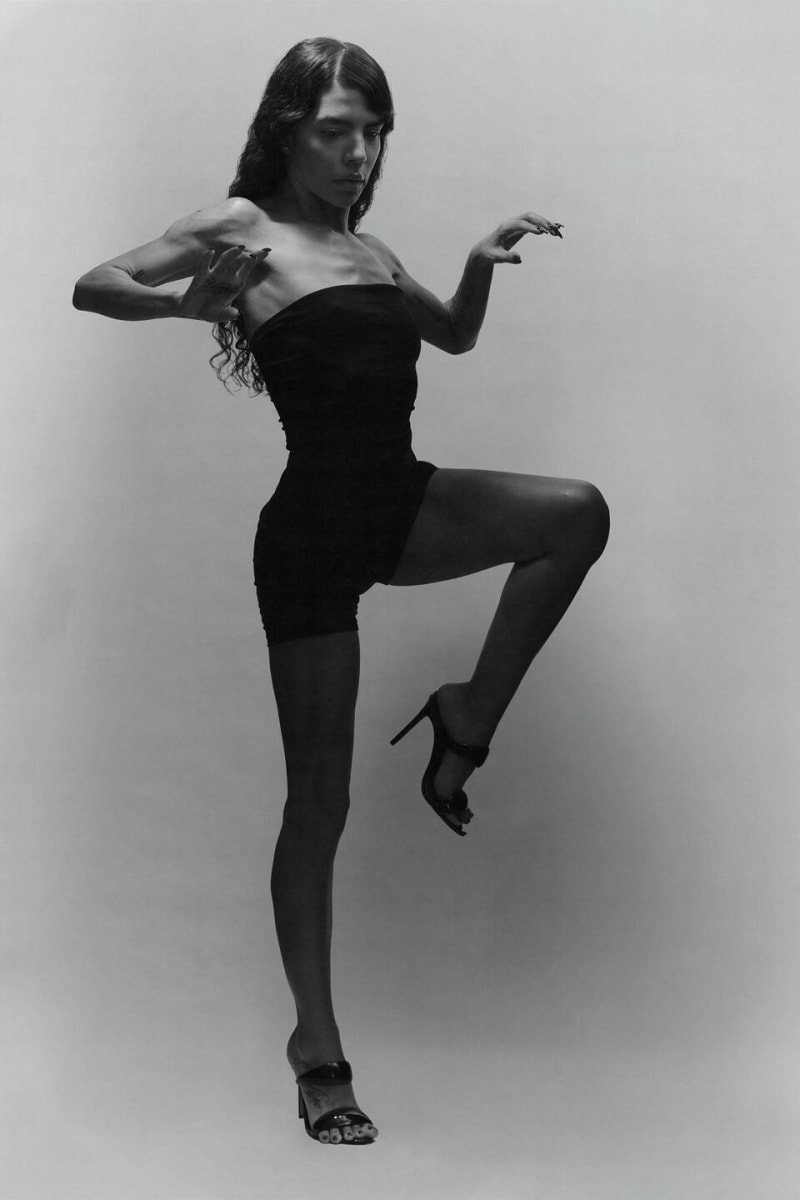
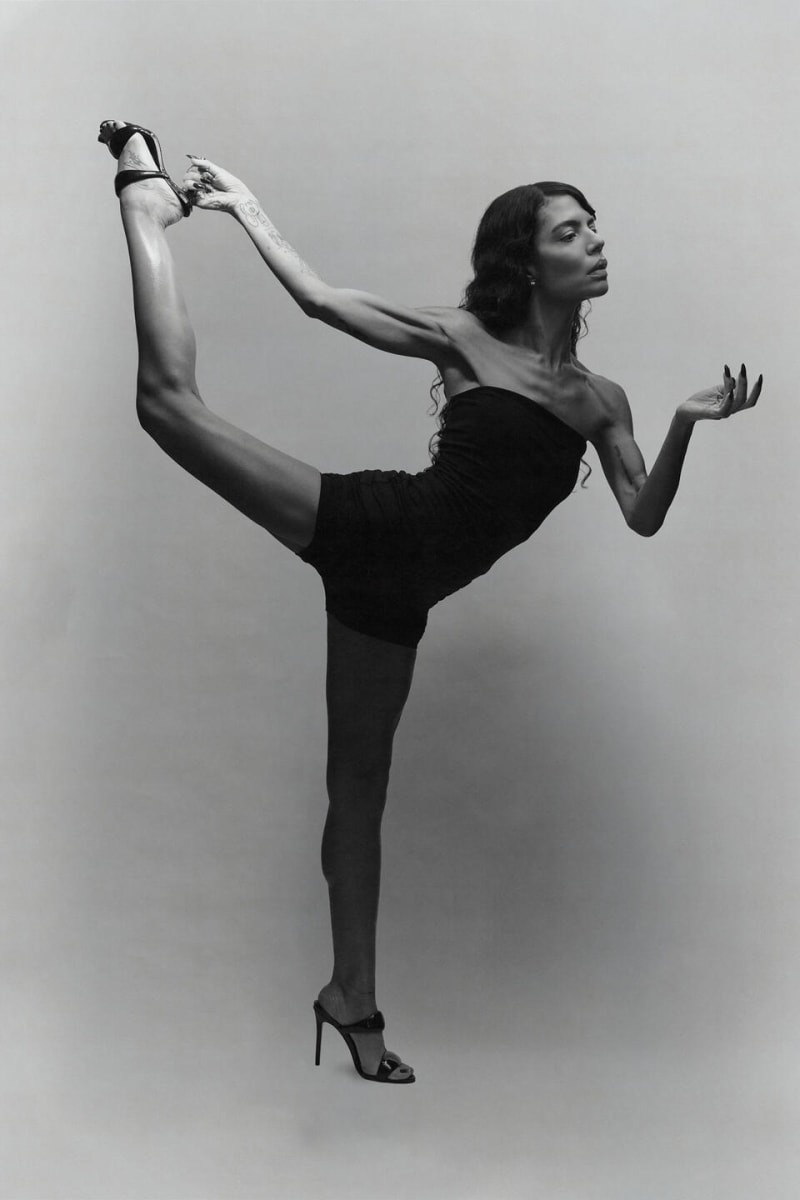
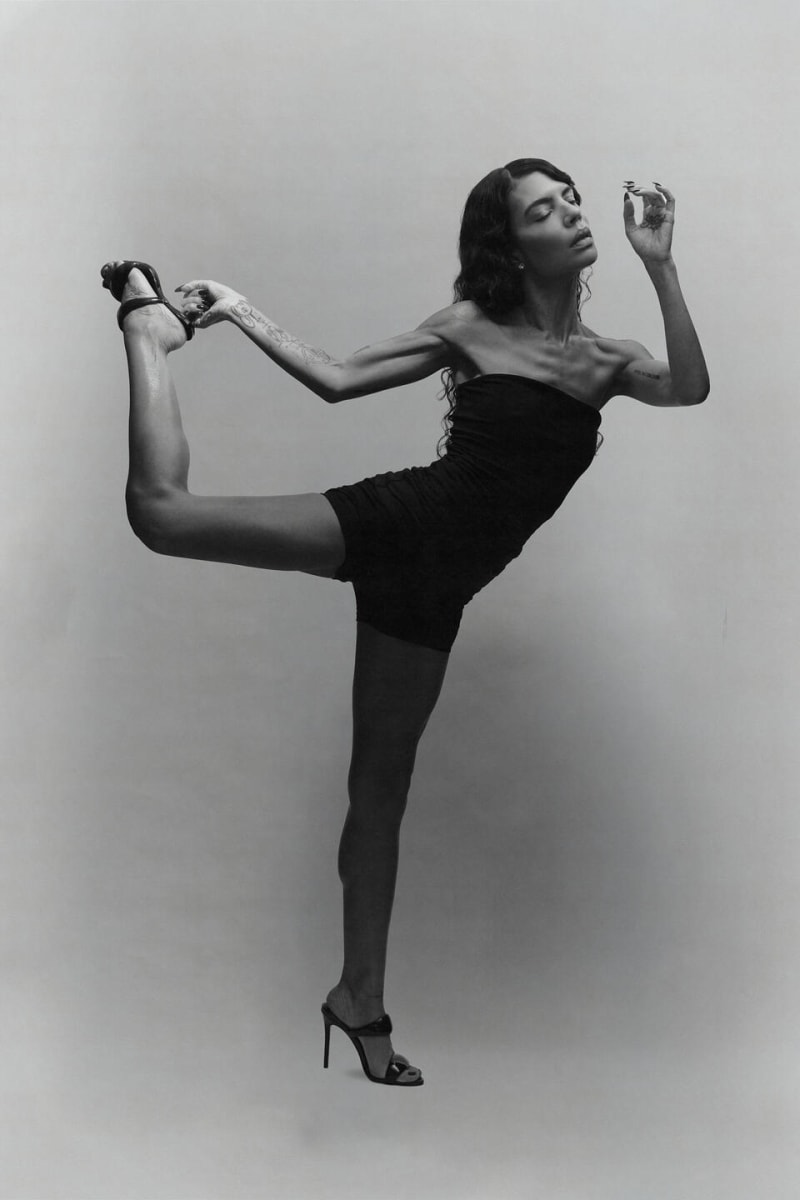
You’re a director for stage and film, a dancer, a choreographer, a performance curator and a cultural connector among many other things. When you look at your career so far, what is the glue that holds everything together?
Everything always departs from the body, which then channels into directing, writing or drawing. It's connected with this vessel and what it carries emotionally and philosophically. My work really questions the human condition. It's a lot about relationships towards my body, myself, the others, the environment and the ecosystem around me.
Relationships are so important for me to develop work, creating from honesty and rawness. I pay so much attention to how we evolve in them and resolve them. If you look at my dancers, they are all different nationalities, shapes and sizes, and I think that's what makes the work rich because I want to have that humanity and different perspectives.
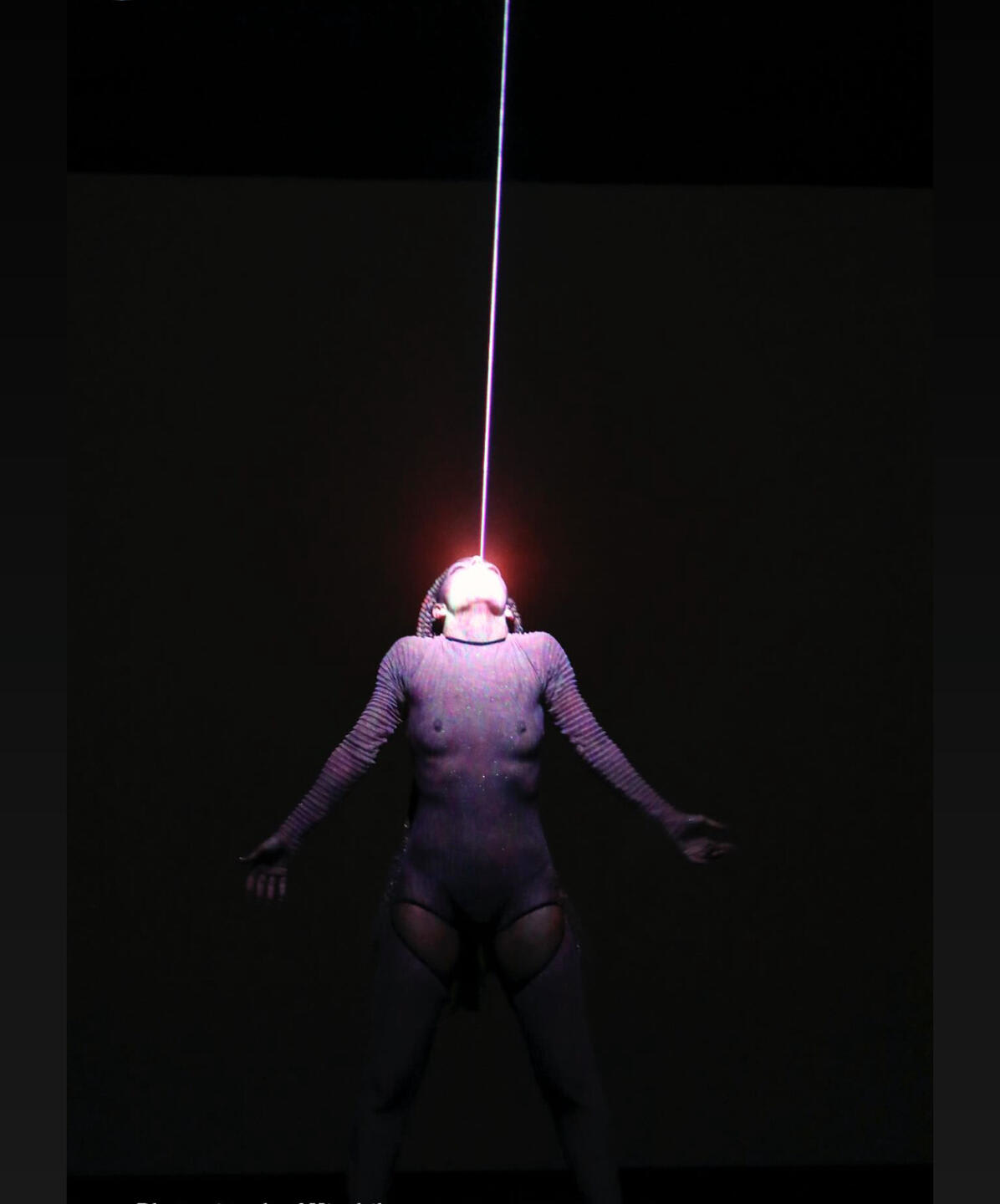
“In a way, I was in constant training of what creation was without even knowing.”
Have you always had this deep hunger for creation?
I grew up in a house that was really artistic. Full of paintings and “carteles,” which was a scene in the 60s and 70s on the island of predominantly visual artists doing banners or posters for different festivals, demonstrations or plays. There was barely any space left on the walls. Dance and music are part of Puerto Rican culture and are around you all the time, even for people who don't dedicate themselves to art. In a way, I was in constant training of what creation was without even knowing. I wanted to be different from everybody else and focused on painting from when I was five – dance didn't come until my teenage years.
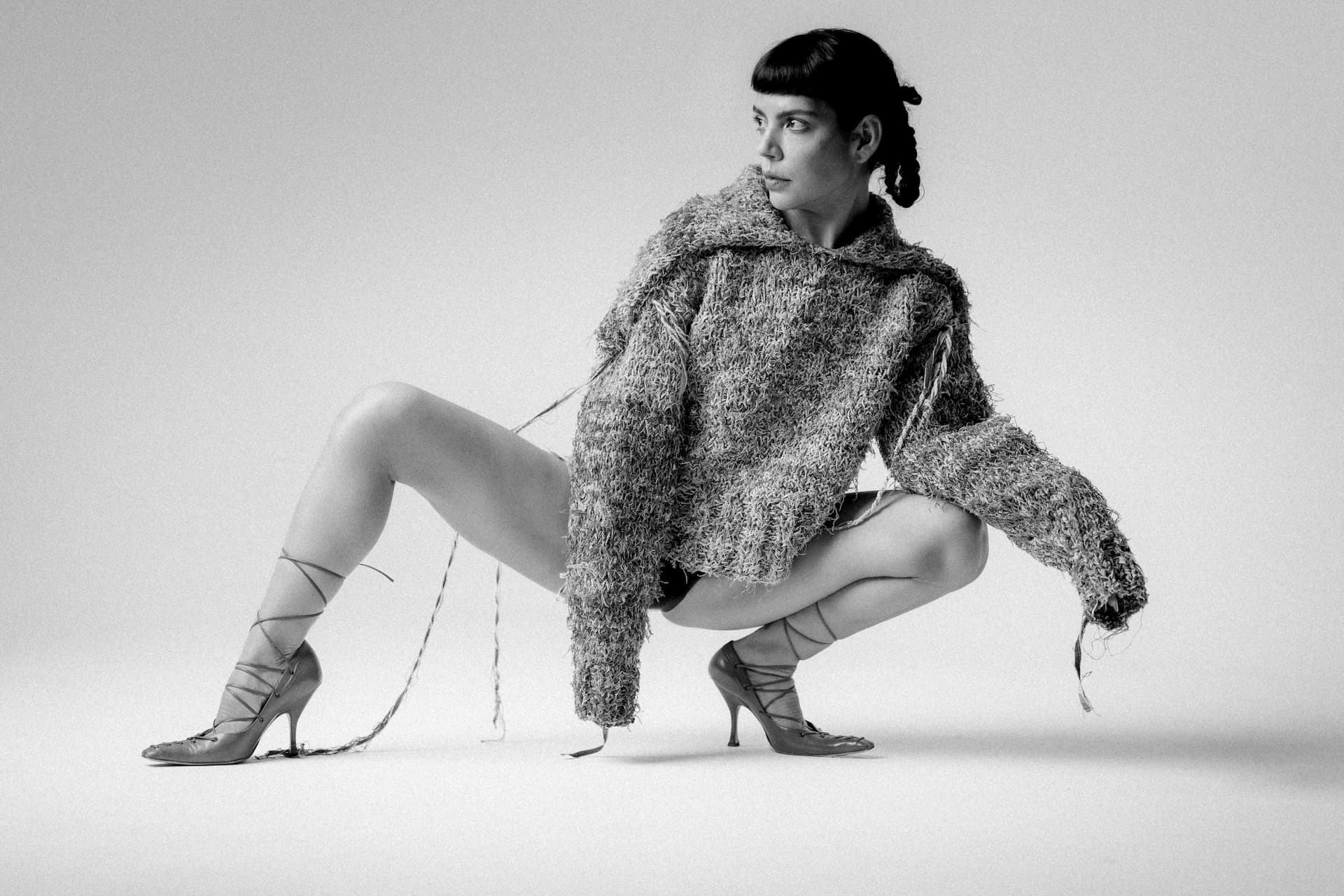
Your work is a bridge between scenes and genres – from electronic music niches to mainstream stages like the Super Bowl. Do you always approach your work the same way?
I was used to doing seven jobs in order to afford to do my art. When I got to Berlin, I was able to fully dive into my practice. There's a big privilege I don't think is always seen by the locals. Berlin has so much art because everybody can be an artist – therefore there is a lot of bad art. I also encountered a lot of elitism that really shocked me at that time. If you were an avant-garde artist from the scene and were doing a commercial, you would be looked down upon. I never understood that. Because first, I needed to survive, and second, I'm doing art no matter what. This is the way I've learned how to express myself, to find a vessel where I can have my own voice within that.
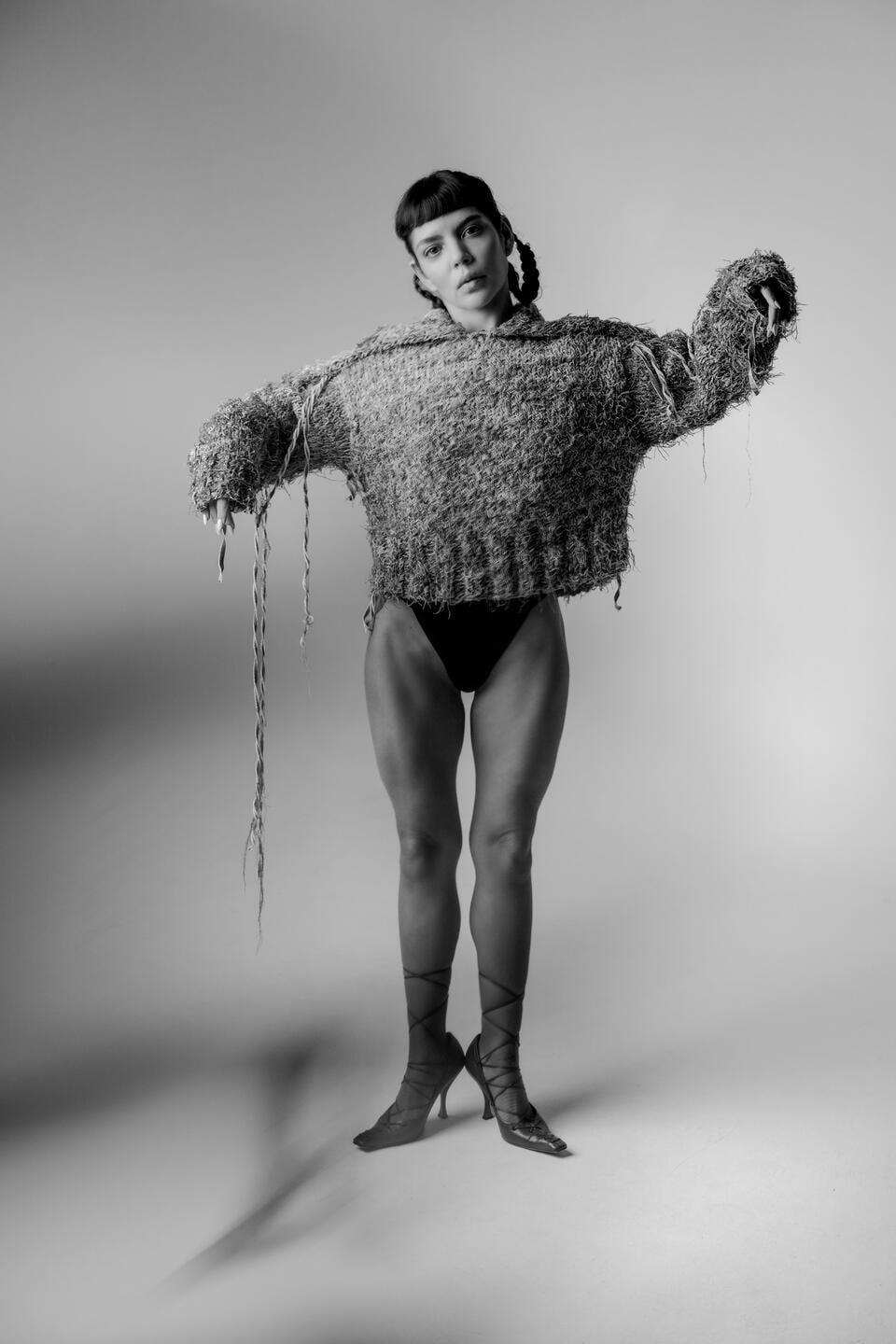
“Everything that I am could be part of everything I do.”
You’ve paved your way to the contemporary art world by always following that voice, even when you’ve felt misunderstood at times. Do you feel like people *get it* now?
I didn't follow the regular dance path. Normally you're dancing so you could get hired in a contemporary dance company or in a major tour with an artist and then at some point you get injured or industry stigmas make you believe that it's time to stop dancing. So you start choreographing, you get into teaching and then your career is over. For me, it was the other way around: I started teaching, danced with local choreographers and went into dancing for companies, but when I did so, I realised that I have my own opinion when it comes to dimension, colour, space and form. That was because I am coming from so many years of painting.
My work has always been highly physical and deeply dramaturgical, and I was fitting nowhere. I had no audience at my first shows because people didn't really know where to put me. I'm very proud to say that the audience I have today is one I've built from the ground up. This has taken me a long time, and it has been a lot of trusting that all these things I've learned throughout my life could be part of one space. It doesn't matter if the space is changing, if it's a piece of paper, if we're at the Super Bowl or in the theatre: everything that I am could be part of everything I do. I am not sure if people get it now, but i do know that my work makes them feel something and thats why they keep coming back.
“Dance and performance have always been part of dance history but for some reason we are not part of every contemporary art collection in the world.”
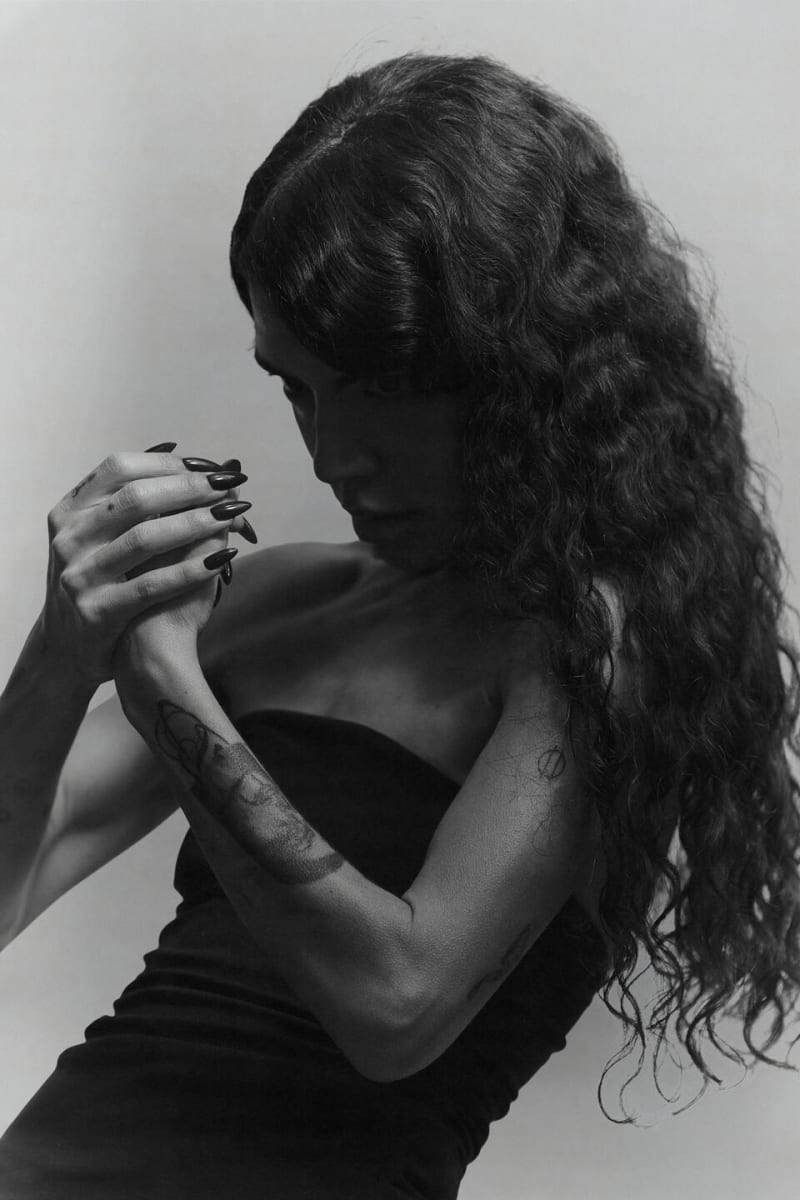
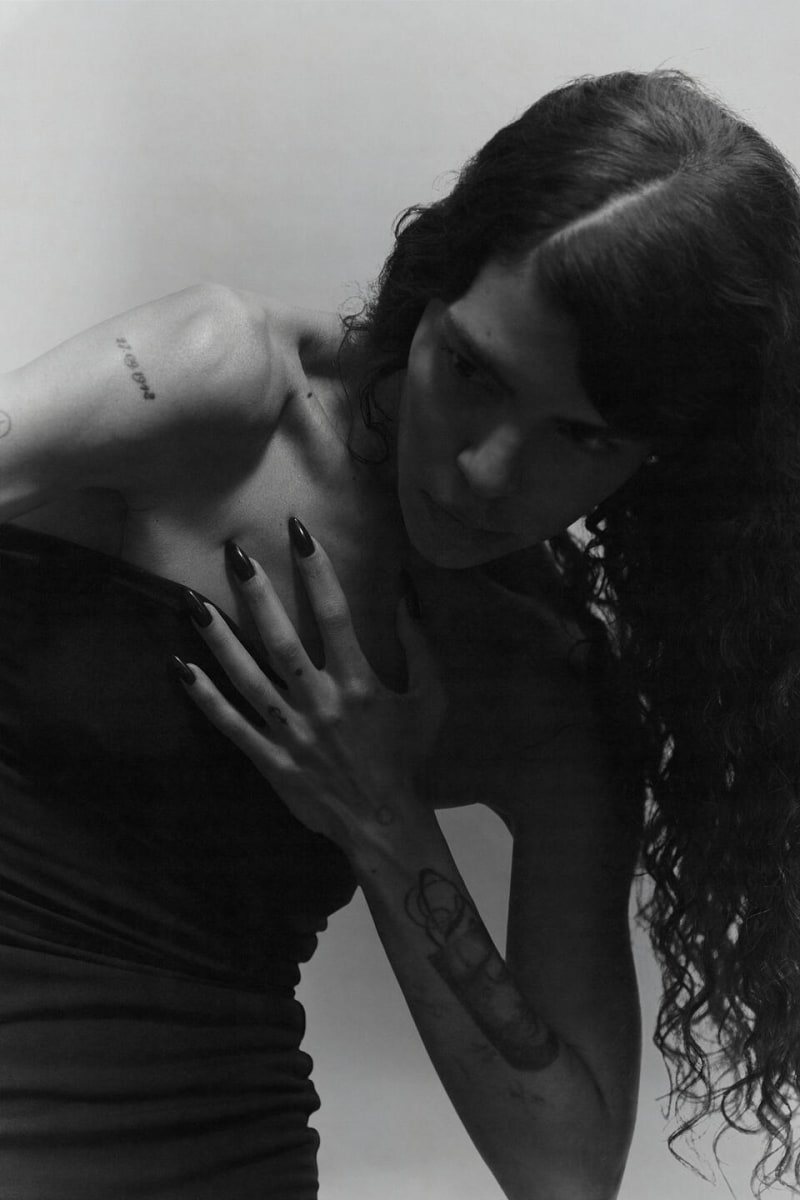
How does your mind work?
I always start with writing. The reality is that I always thought I was a bad writer, but for some reason it is a tool for me to organise my ideas before I will try and bring them to the body. Once things are composed, and I know the direction, I write them down to map things out and guide myself. Writing and drawing started as ways of documenting my process, and as soon as I started travelling the world and meeting other people, video came in as another addition to it. Dance and performance have always been part of dance history, but for some reason we are not part of every contemporary art collection in the world. I've been making experimental dance films and performing in art institutions since forever, and I don't want to wait until my 60s to be part of a contemporary art collection.
Like all of us, you’ve asked yourself the big questions in life, like what it means to be human and finding your life’s purpose. Do you feel like you’re closer to the answer(s)?
I don't think I will ever know the full meaning of this existence. In a way, I also don't want to because that's the drive of my work – it feeds my hunger for creation and discovery. But now, after 20 years of my career, I know my true purpose. When working in collaboration, millions of ideas arise that I want to investigate on my own. It's a cycle that continues to feed off each other between my practice and all the disciplines that are part of it, as well as all the places and people in my life. Everything is interconnected.
Photos by: Steph Segarra, Muriel Florence Rieben