


Lucas Dupuy’s paintings look how ambient soundscapes feel
The London-based artist shares the sonic and visual imprint that informs his dreamlike canvas.
Words by Juule Kay
“Painting makes me feel something a digital image could never make me feel,” says Lucas Dupuy about his work, which often echoes the fleeting moments of nature. A flickering shadow. Light that slowly wanders. Clouds rolling by. Dupuy is an observer, fascinated by the rhythms and patterns of everyday life. Some of the blurred lines of his artworks resemble strands of DNA, others feel like a shroud of mystery –– when you wake up from a dream you really want to remember but slowly fades away. Somewhat tangible yet abstract.
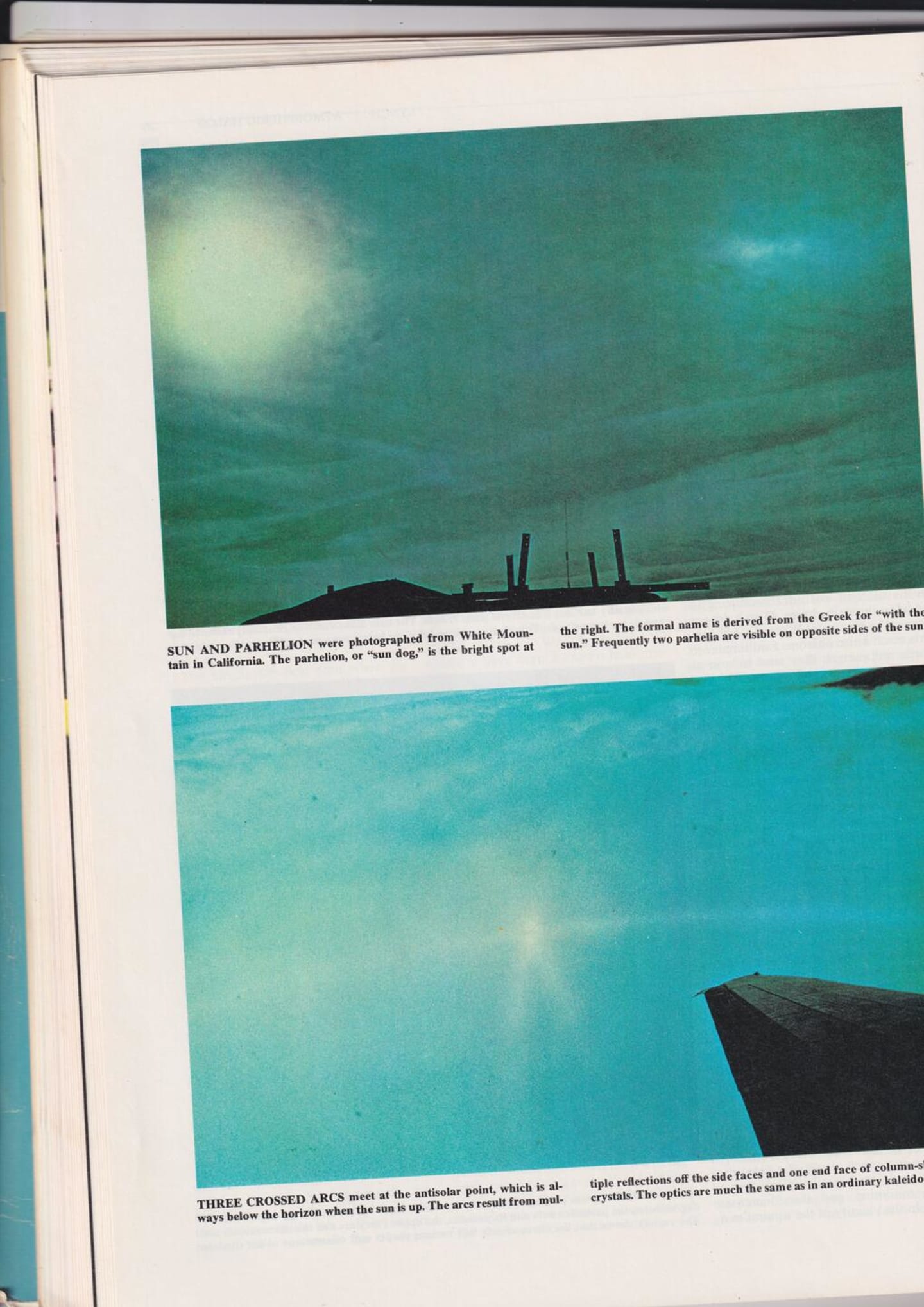
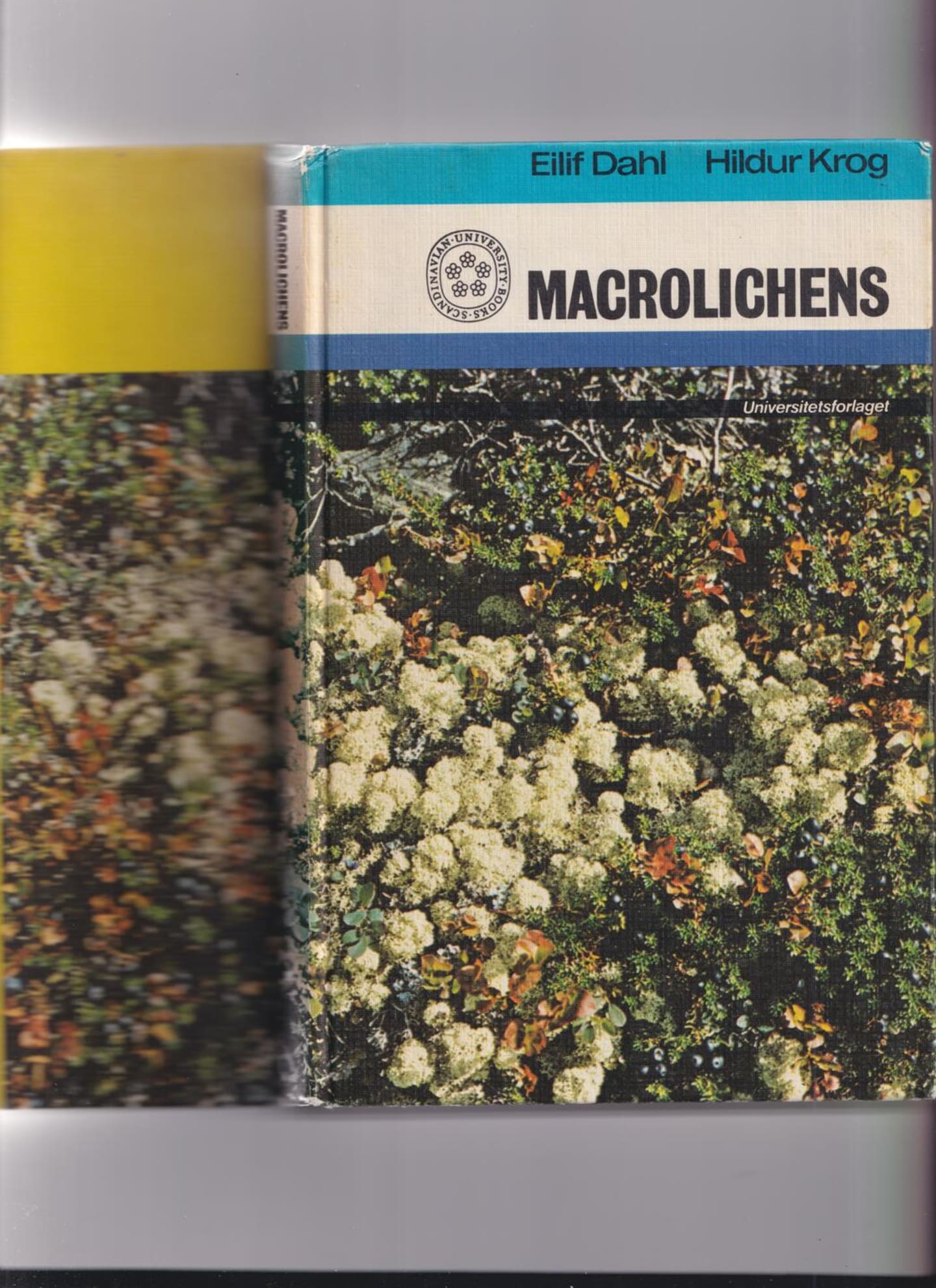
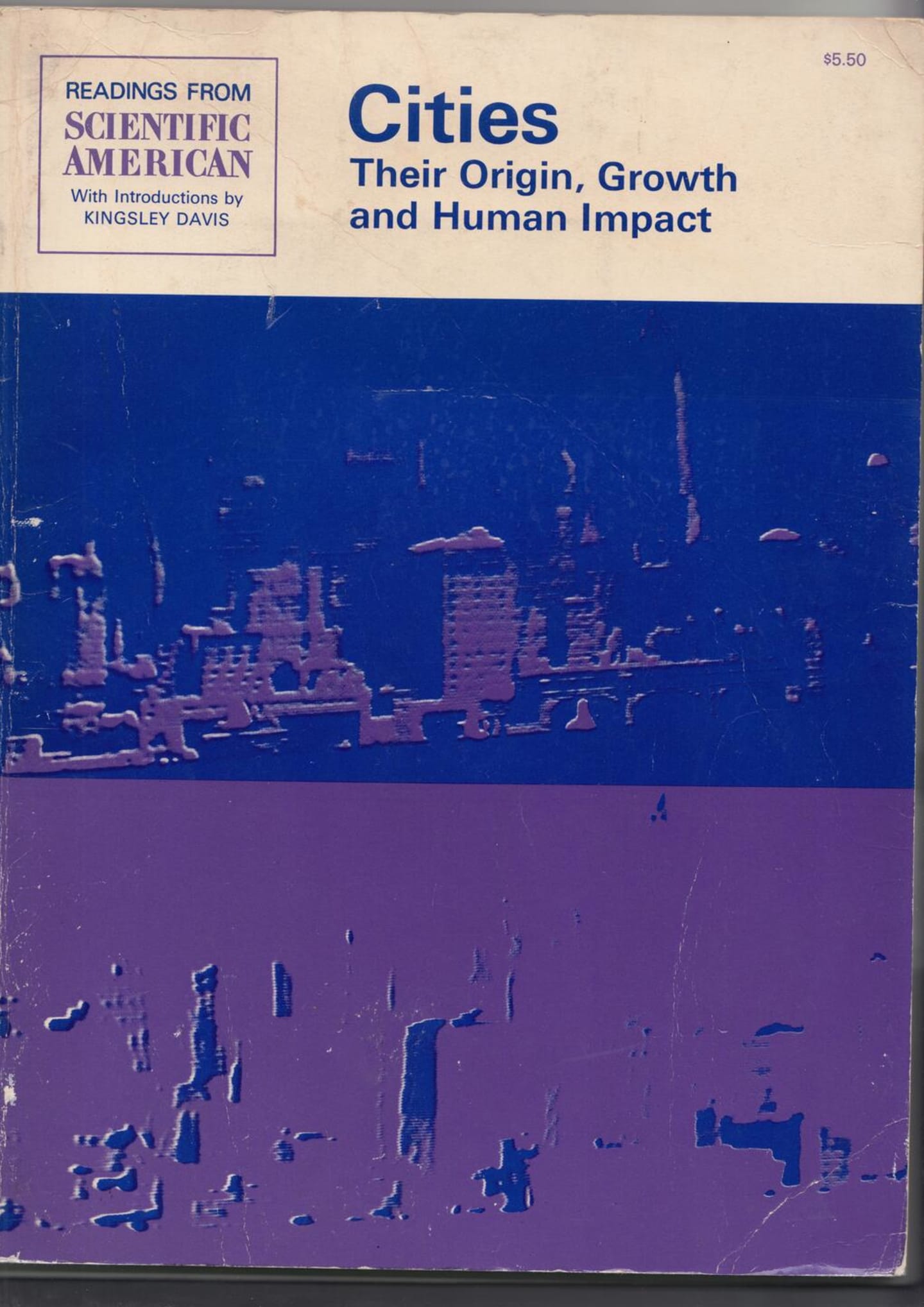
If Dupuy isn’t working on another painting in his London studio, you’ll find him scanning old magazines, collecting field recordings, working on his very own publishing Lichen Books or creating music. “I can spend a day nerding out on some obscure book that will inform many drawings or sounds,” says the creative who cites ambient music and dub techno as central influences to his art practice.
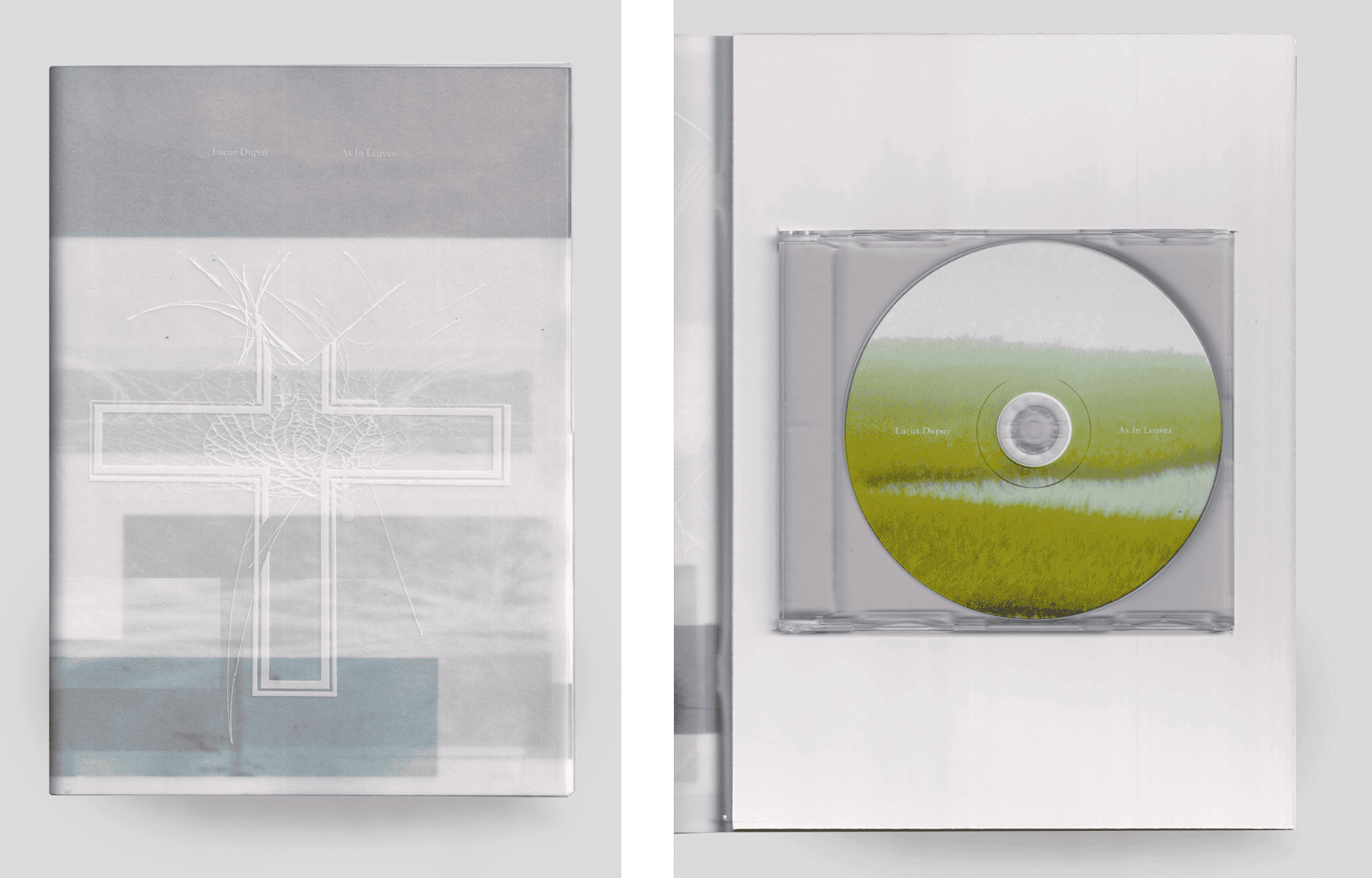
One of his frequent collaborators is Pavel Milyakov, better known as Buttechno. He mastered Dupuy’s debut album “As in Leaves.” Released in May, the compilation translates his visual world into sounds: as in wrapped up in a blanket patchworked with memories listening to the pouring rain. Looking outside the airplane window, forgetting about time and space. Like his paintings, it lingers in a liminal space between reality and dream where everything drifts just beyond reach.


-
Lucas, what shape of cloud describes you best?
-
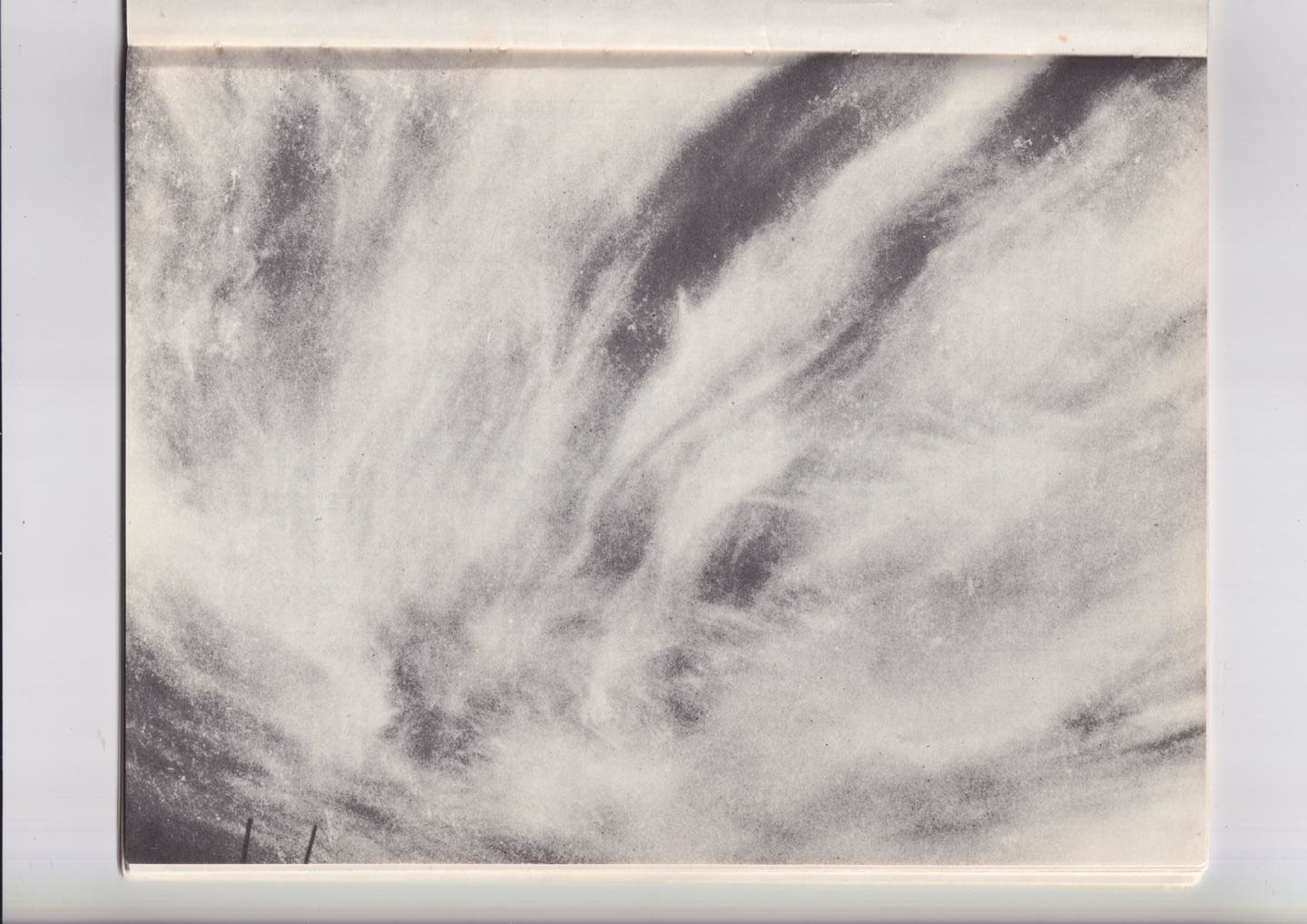
Altocumulus. There’s a mistiness to them, very multilayered with this special kind of movement.
-
Whether through field recordings or vintage books collected from across the world, you’re constantly engaging with different sources of creative input. What do you usually feel drawn to sonically but also visually?
-
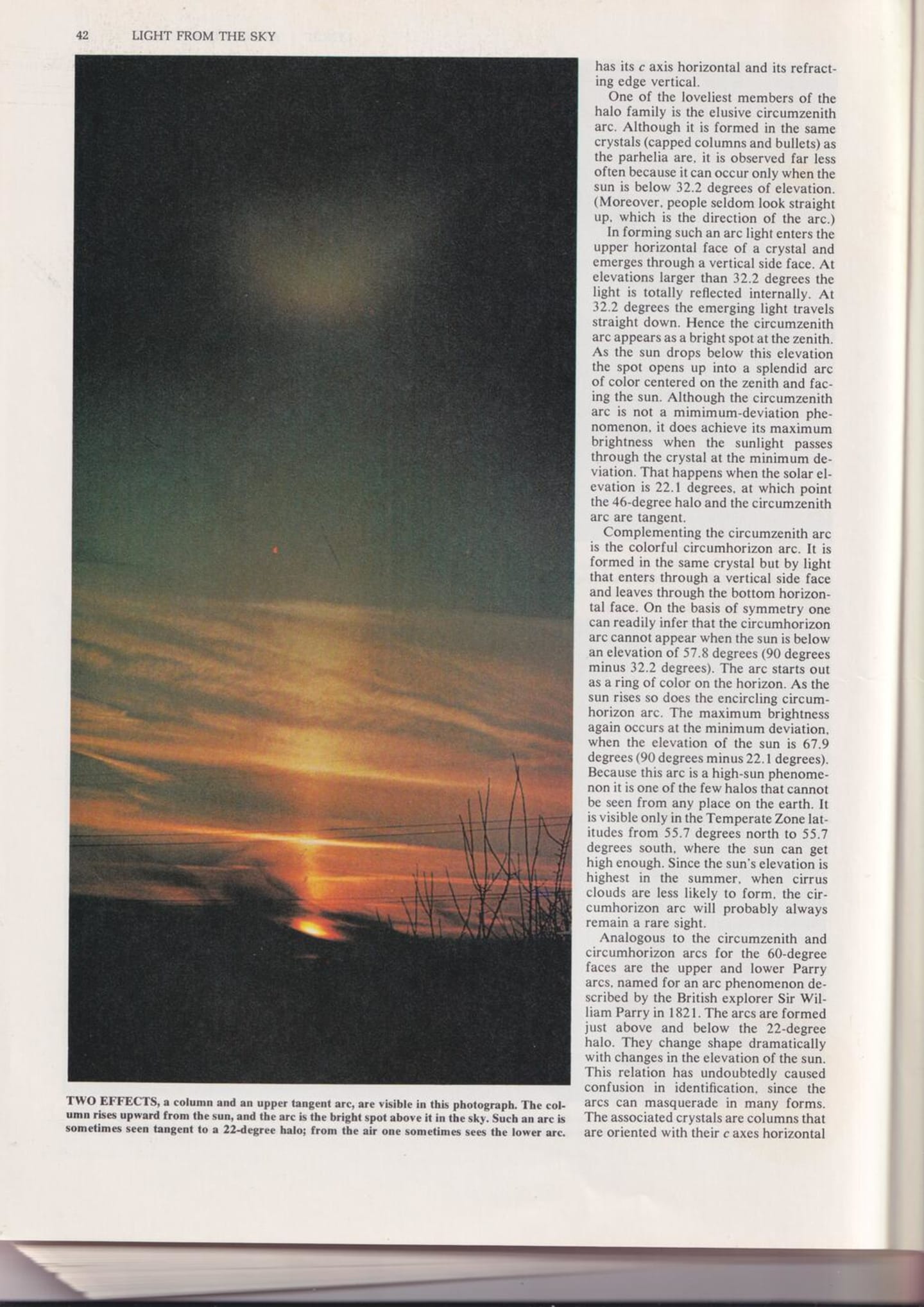
Sonically, it’s more about what I listen to: a lot of 90s ambient music. My dad is a big music collector and gave me this hard drive with four terabytes of mostly 90s, naughties and early 2010s stuff. At the moment I listen a lot to Biosphere’s Birmingham Frequencies album. Field recordings are a big thing for me too –– in nature but also quite a lot in the city. I’m from London and it has always influenced my work. I’ve become obsessed with trying to find a calm space in the city.
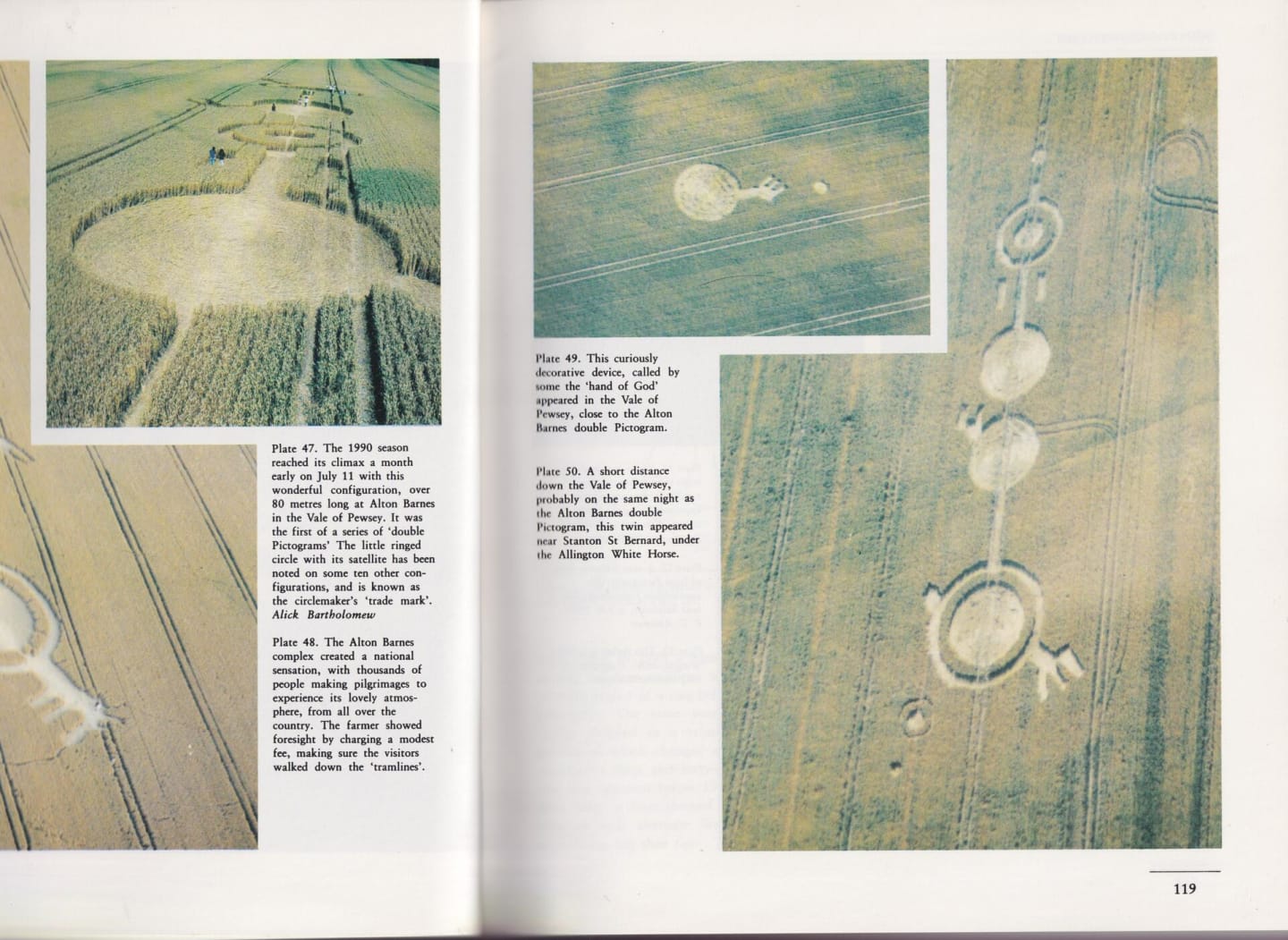
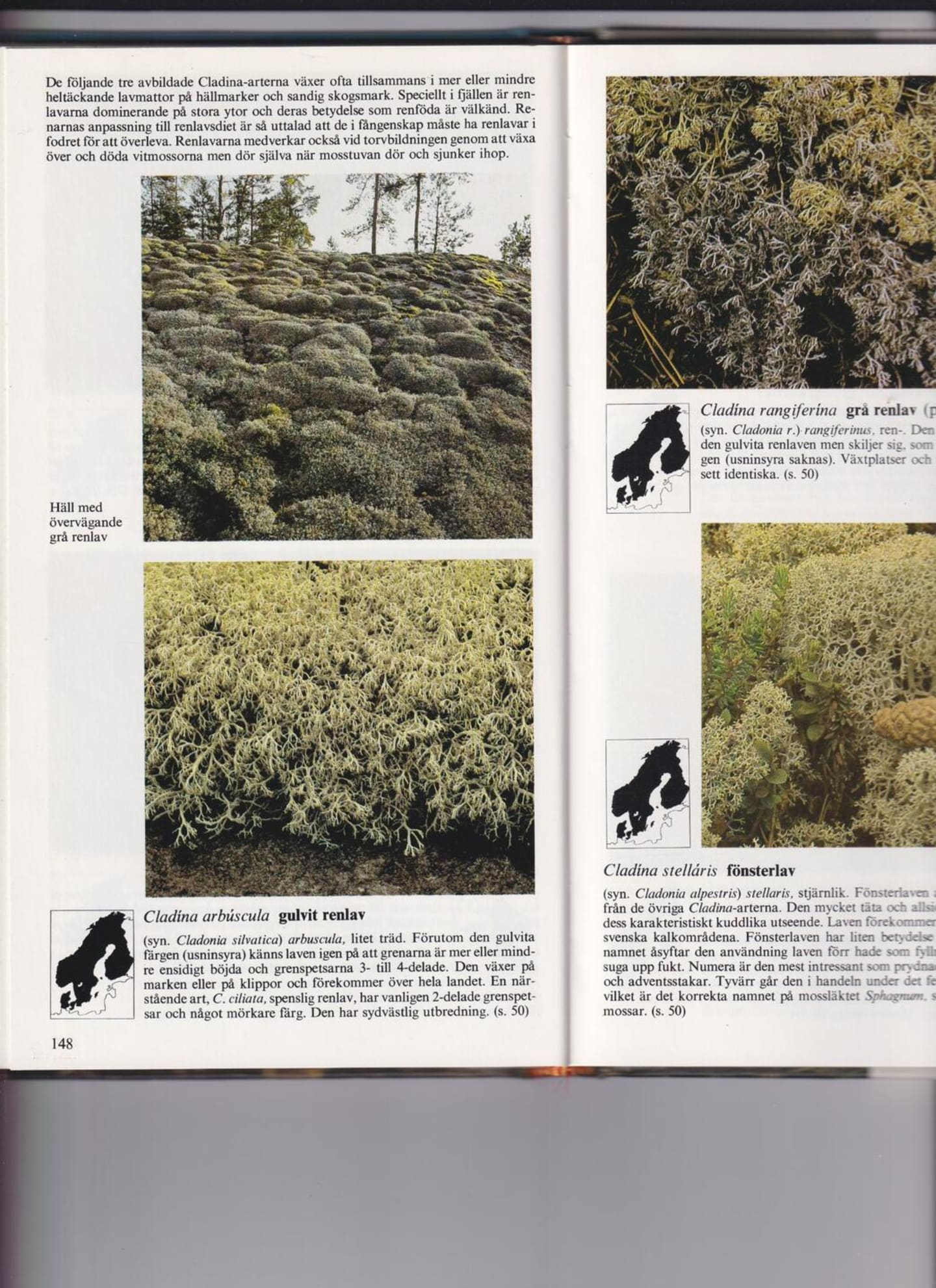
I'm very drawn to the front cover and design of a book. The references I find will then inform my work in whatever way feels right. I am quite excited by the composition, the way the book is laid out and how everything sits together. In fact, I studied graphic design for six months before I dropped out to pursue a career in painting. The way I approach buying books is not so instant, not completely internet-based. I'm always buying books on nature and climatology. Architecture is a massive topic too, how things are constructed from a design perspective.



-
A lot of your paintings echo the fleeting moments of nature, like flickering shadows or spaces changing with light. There’s something deeply analogue about these observations, yet your work carries a distinctly digital sensibility. How do those seemingly opposing forces coexist on the canvas?
-
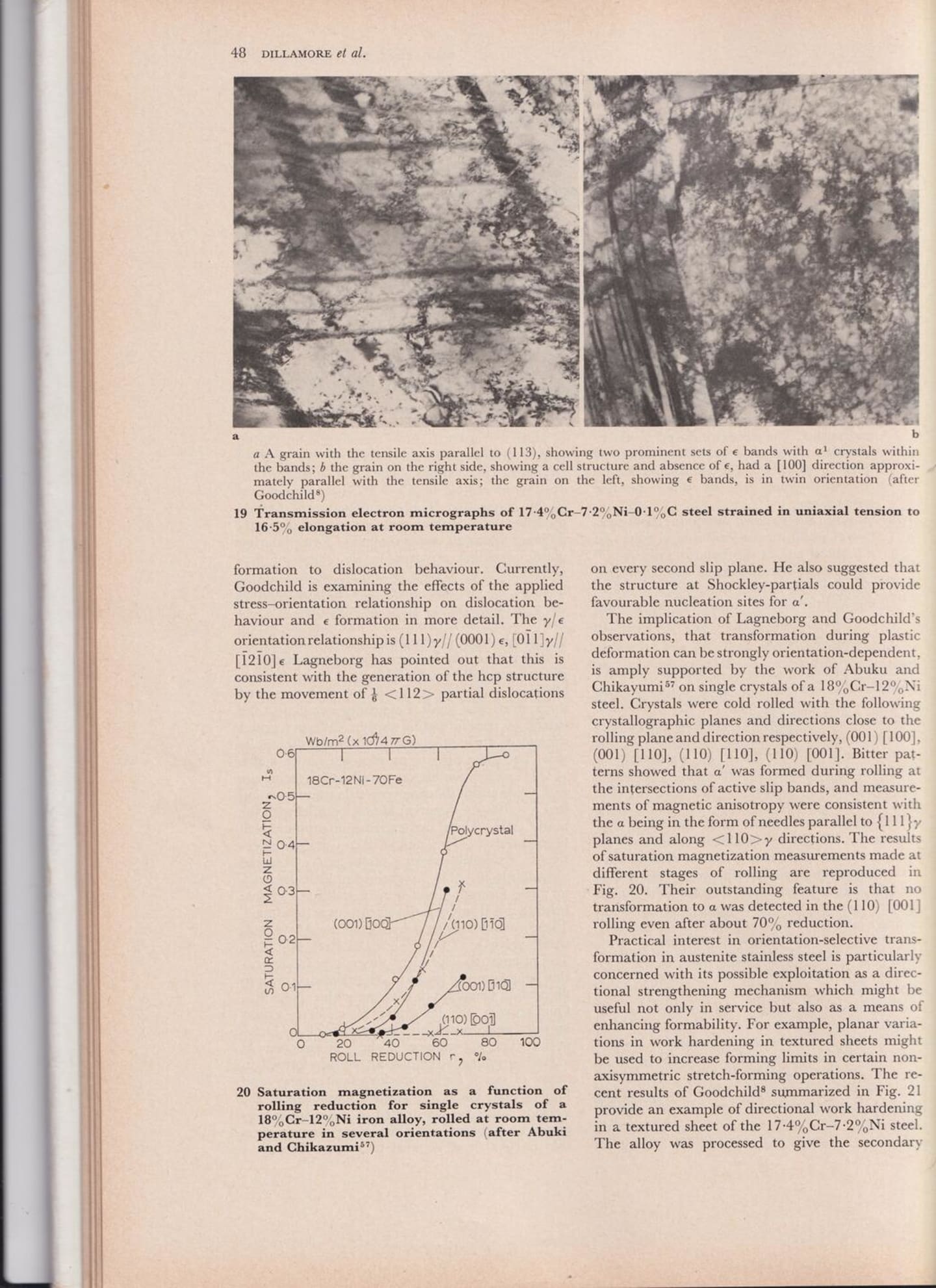
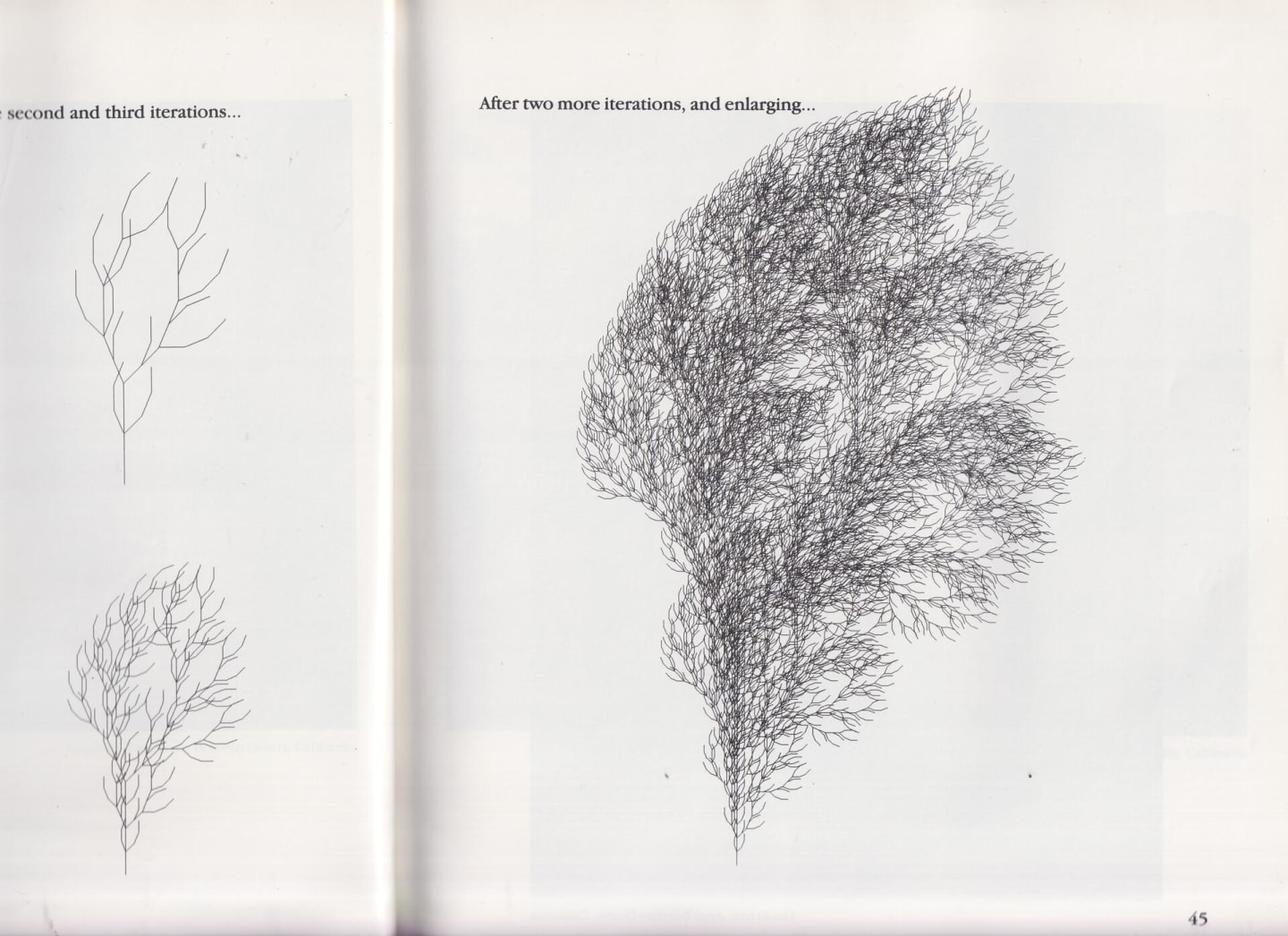
Painting makes me feel something a digital image could never make me feel. I have been painting for over ten years now, and I’m still learning new things and trying to understand the process –– the abstraction of digital imagery used in an analogue way. I’ve developed a lot of works on paper that I use digitally, xeroxing them over and over again. Always bringing it back to some sort of analogue technique. Even with the book publishing, there are often drawings being scanned in and laid on top of each other. There's this physical aspect to that process –– how the tracing paper sits on top of each other, always bringing it back into the real world. That’s also the beauty of working in the arts to some extent. I can get lost in some obscure book that will inform many drawings or sounds.




-
What part does failure play in the process of your work?
-
I'm always trying to find this composition that feels right, a lot of building up layers and working with images that aren’t overly complicated. Something might not feel good, but there’s always a positive to the failure. I'm not making photo realistic paintings, but there's a certain way they have to be, and you find new things in that process anyway, which is quite exciting. I’m someone who always thinks about the next thing.
-
Most of your paintings are named after track names. Would you consider your works filtered versions of sound in one way or another?
-
That is a nice way of describing it. Listening is always important to the process of making paintings. How that reflects in the work is for the work to do, but it's always on my mind –– whether it's referenced or not. I’m an anxious overthinker, so the paintings have always been a release for that and for it to be honed into this practice. Looking at them usually makes me feel content and calm, whereas naming them I do find quite hard.
When I grew up, there was always a very huge cross-section of music playing in my house. In the late 90s, my dad used to take me to squats where his friends lived and had jam sessions together –– that would be my introduction to live music. It sounds so cliché, but my love for ambient music started when I listened to the first Burial album.







-
You once said, “The music I’m producing and making is mostly collaborative because it’s like a collage.” How do you decide which pieces belong in the final picture?
-
Honestly, it's quite a slow process. The album I released is made up of music I've been creating over the past five or six years. I don't rush in music because I feel a little bit of imposter syndrome as I’m not a musician in a traditional sense. When you break some of the tracks down, they are quite simple. I'm always searching for the perfect sample or the perfect chord, playing it through a granulator and putting two delays on it. It's not so much about technical work, but searching for this very specific moment.
-
One of your frequent collaborators is Pavel Milyakov, better known as Buttechno, who also mastered your debut album “As in Leaves.” How do you complement each other?
-
It feels like we know each other really well even though we've met twice. He's an old friend of my friend DJ Trystero, who I've also done collaborations with music-wise. Pavel is a very talented musician, very methodical with things but also extremely prolific. I’m a bit more collage-based. He once showed me ten things he's made in an evening, and I made one thing this month. Working with him on that record was a push for me that I can actually do this without it feeling so alien. He definitely understands my sound or how I perceive things. When Pavel sent me the whole log of my new album, I don’t think I’ve listened to it for a week. I just couldn’t because I was a bit scared. It’s an album, but I’ve always looked at it as a compilation. An album may have a story or a narrative, but I like to compile things.






-
Last but not least, what do memories sound like to you?
-
I tend to look at things with rose-tinted glasses, so the memory sounds pretty warm and cosy.
Juule Kay is a writer working at the intersection of art, culture and design.